

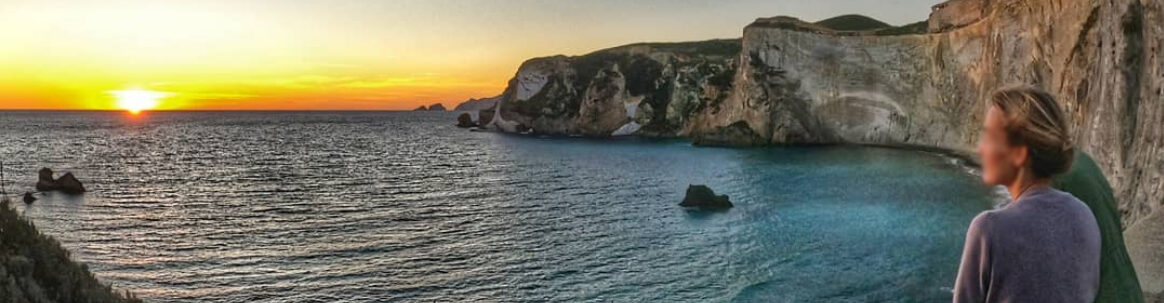
Known as the moon-shaped island because of its crescent form, Ponza , together with Ventotene, is part of the Pontine or Ponziane Islands archipelago. Inhabited as early as 1500 BC by the Ausones, Ponza later became part of the Roman domain and subsequently changed hands several times, often serving as a place of exile. Its most notable exiles ranged from Agrippina the Younger and her sister Livilla, after they were accused of plotting against Emperor Caligula, to Benito Mussolini, whose final “illustrious” detention took place on the island in the “yellow house”
 before he was transferred to Gran Sasso following the vote of no confidence by the Grand Council on July 25, 1943. After being left deserted because of Saracen and Turkish raids, Ponza began to be repopulated from the 18th century onwards by settlers from Campania.
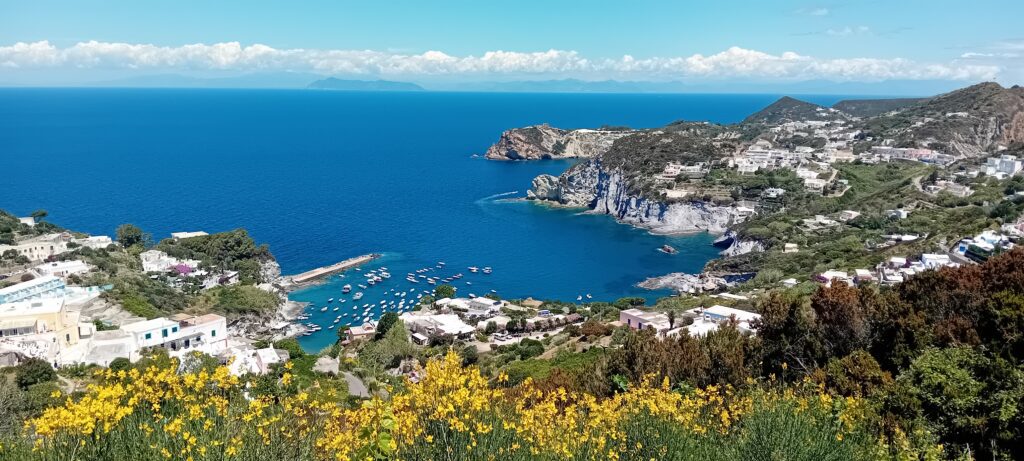
Ponza can be reached by helicopter, but above all by sea, with year-round connections to the ports of Formia, Terracina, San Felice Circeo and Anzio.
Crystal-clear waters, breathtaking scenery and unspoiled nature — this is Ponza, with a series of natural coves that make it a sought-after holiday destination.
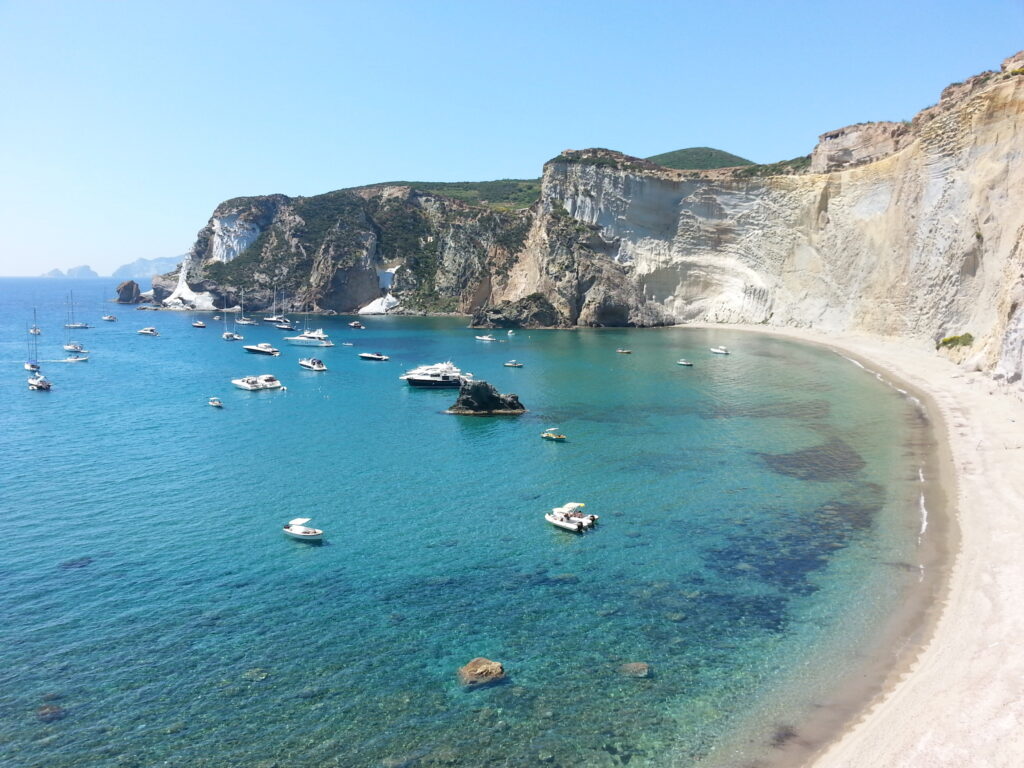
The island’s best-known beach is Chiaia di Luna , surrounded by a towering cliff that drops sheer into the sea. Considered one of the most beautiful beaches in the Mediterranean, Chiaia di Luna is currently closed because of landslide and rockfall risks. The beach was already used in Roman times, and architects working under Augustus designed and built a 168-metre-long tunnel that still provides access from the town centre to the pebble beach.
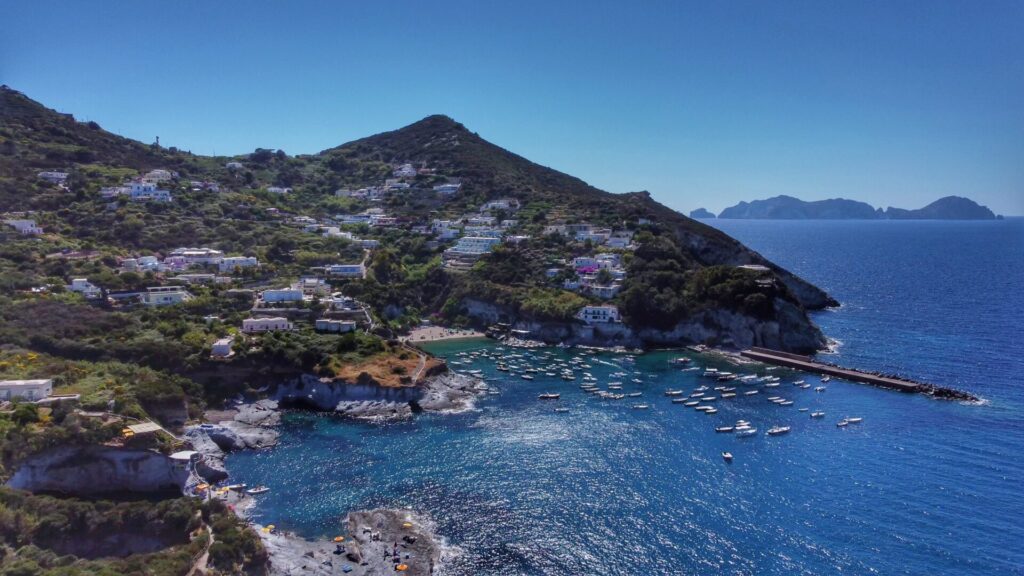
Also dating back to Roman times are the remains of several Republican-era villas near the headland of Punta della Madonna, which was also used during the Imperial period, in the areas of Sant’Antonio and Santa Maria, where the remains were discovered in 1925 during road maintenance work. The island is also home to Roman cisterns and an aqueduct that could hold around 10,000 cubic metres of water. Ponza’s coastline is rugged and mostly rocky, while kaolin and tuff bear witness to the island’s volcanic origins.
The presence of underwater caves and rocky cliffs attracts thousands of diving enthusiasts every year, eager to explore the seabed up close.
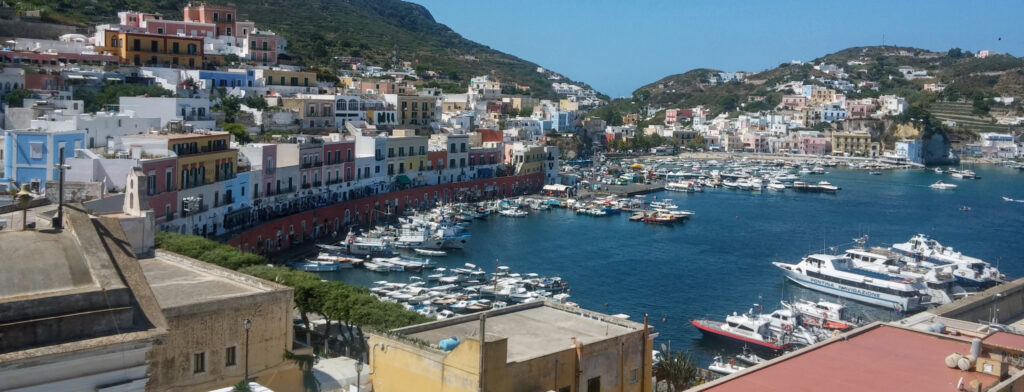
The harbour, built during the Bourbon era, is considered an excellent example of Neapolitan architecture dating back to the second half of the 18th century. The town grew up around the harbour, while Ponza also includes the districts of Santa Maria, just over a 15-minute walk from the port and reached through a Roman-era tunnel, and Le Forna, home to several coves and the famous “natural pools”, where the landscape becomes even wilder and more captivating. Among the island’s most interesting natural areas, all popular with tourists and visitors, are the beach of Frontone, the only beach that is easily accessible from the harbour thanks to a boat service operated by rental companies from Banchina Nuova, as well as Lucia Rosa beach, which can be reached by local buses departing from the Natural Pools, where swimming is possible, as well as Cala Fonte, Cala Feola and Cala Felci.
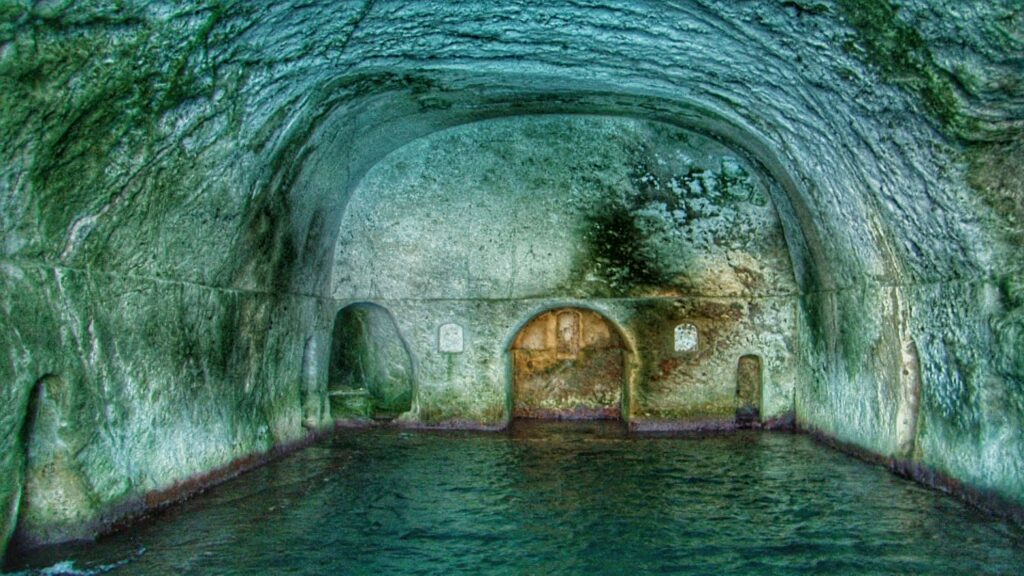
Among the natural sights visible by boat along Ponza’s coastline are the Grotte di Pilato, a complex of caves also created during Roman times, carved directly into the rock at sea level. During the Middle Ages, a never-confirmed but equally never-disproved belief spread that the island’s name originated from the presence of the Roman proconsul Pontius Pilate, although very little is actually known about him apart from his time as governor of Judea. But other legends add to the island’s fascination. One of the best-known stories is that of Circe, traditionally associated with the myth of Ulysses and the events described in the Odyssey. According to one interpretation of the legend, these islands may have been associated with the home of the enchantress who could turn men into animals.
Another popular story is that of Lucia Rosa, a young woman at the centre of a tragic love story. According to local tradition, she threw herself from the cliff because her love was forbidden, and her story is linked to the Faraglioni di Lucia Rosa, one of the most evocative spots along Ponza’s coastline.
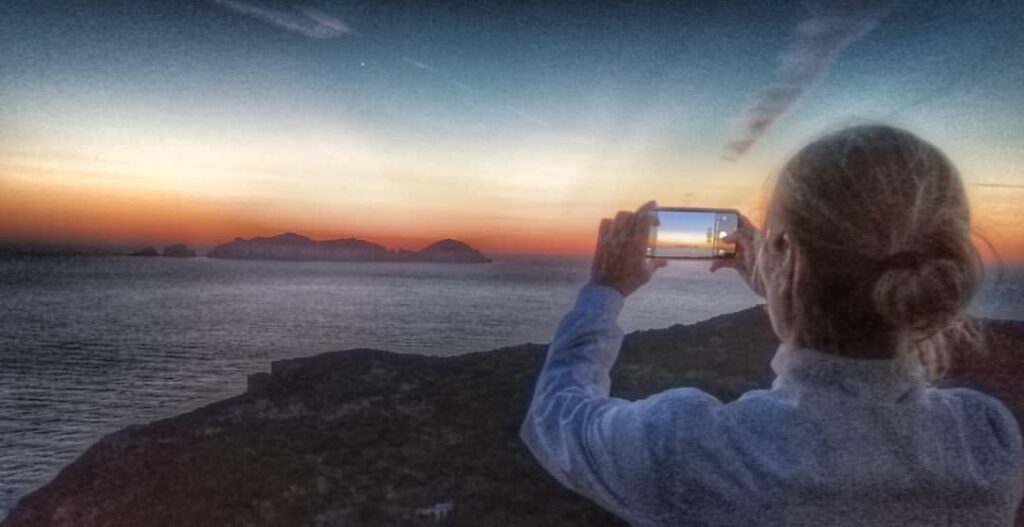
Ponza is the heart of the Pontine Islands. The largest island in the group, it is surrounded by three very different islands: Palmarola, Zannone and Gavi, which together form the western group of the archipelago. All four islands are volcanic in origin and offer spectacular landscapes and very different natural environments. Ponza is the busiest and offers a wide range of tourist services, while Palmarola and Zannone retain a much wilder character, and tiny Gavi is little more than a rocky outcrop rising from the sea.
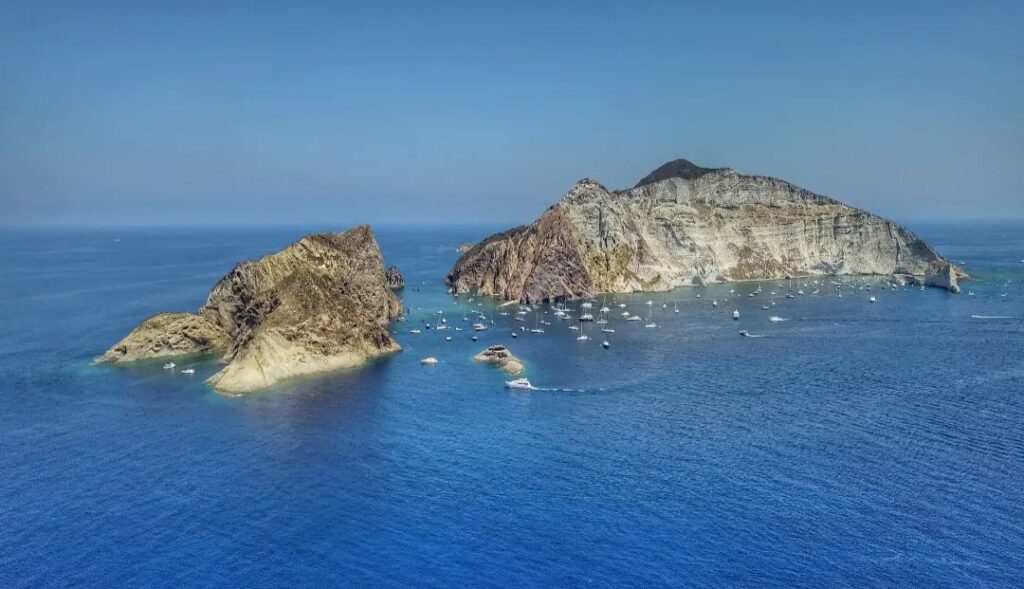
About 7 nautical miles from Ponza, Palmarola is an almost uninhabited nature reserve, famous for its cliffs, caves, sea stacks and crystal-clear waters, so much so that Jacques-Yves Cousteau called it «the most beautiful island in the Mediterranean». Its homes carved into the rock are particularly distinctive, while in summer a small restaurant operates on the beach. The best way to discover the island is to sail around it, perhaps stopping for a swim or some snorkelling.
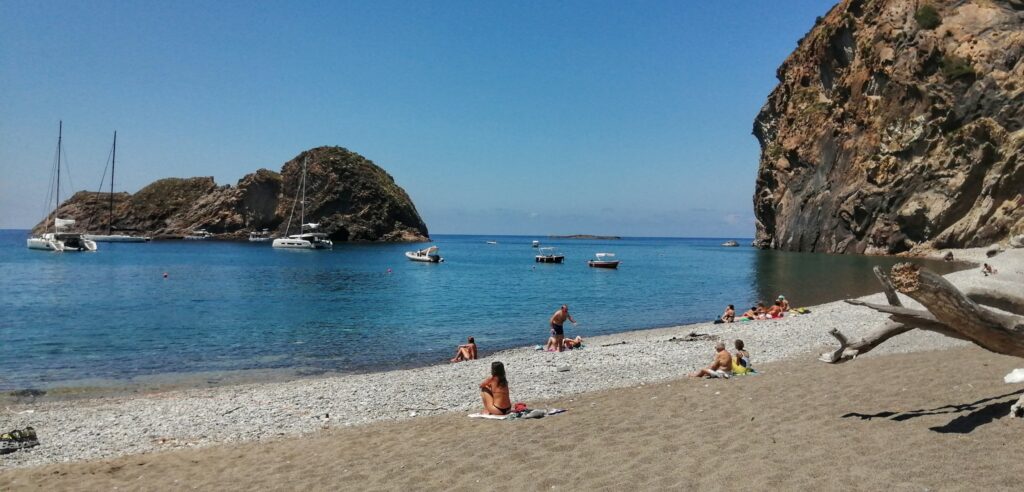
Just a few hundred metres from Ponza lies tiny Gavi, an islet measuring about 700 metres by 350 metres, with no beaches or settlements. Its rugged, indented coastline is home to a single sea cave, the striking Grottone di Gavi, which can be seen on boat excursions.
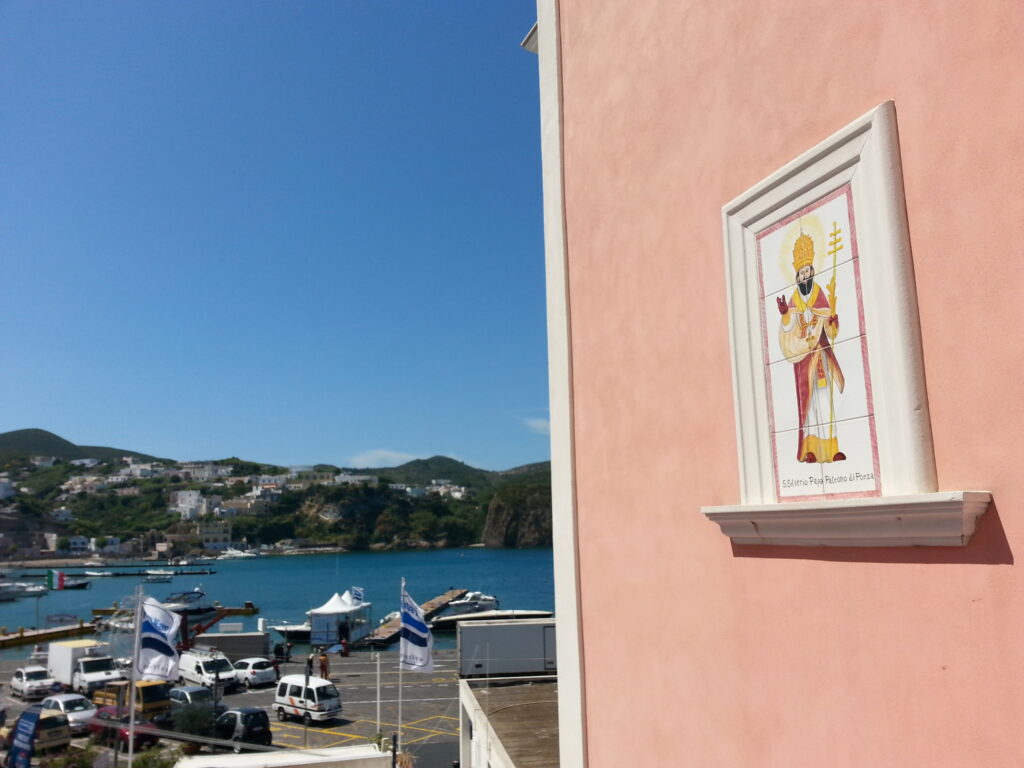
For anyone visiting Ponza at this time of year, the Feast of San Silverio is therefore an opportunity to experience the island beyond its beaches and sea: a celebration where religious devotion, the island’s seafaring identity and community spirit come together, turning the entire local community into the heart of the festivities for several days.
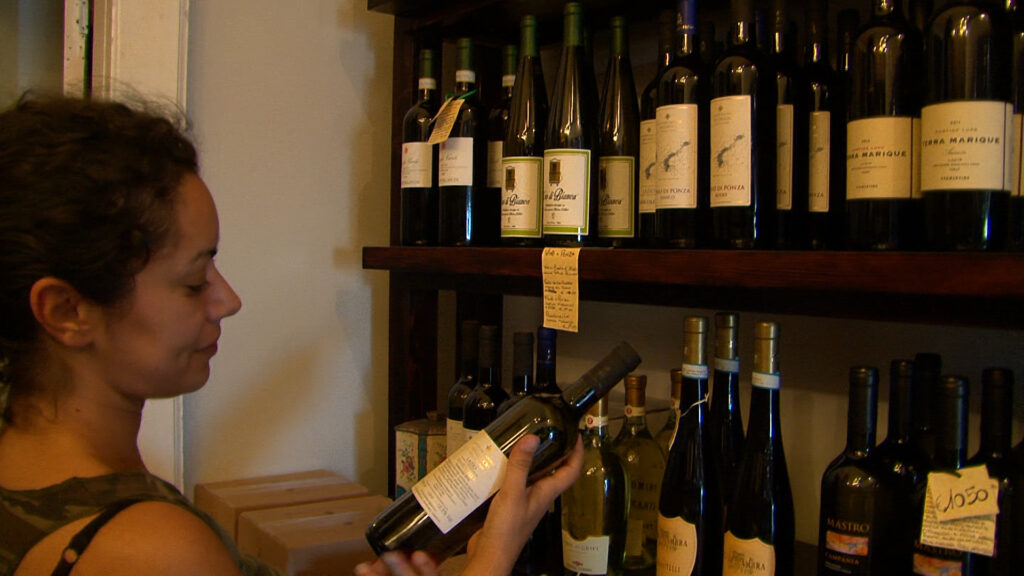
With vineyards covering its slopes, Ponza produces wines appreciated by both locals and visitors, including Fiano di Ponza and Biancolella. When it comes to local dishes, alongside traditional fish-based dishes, don’t miss the lentil soup, spaghetti with rock crab and delicious stuffed squid.