

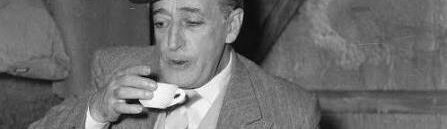
A small cup, an intense aroma and a few minutes to pause, meet someone and get going again: in Italy, coffee is much more than just a drink. It is a gesture of hospitality, a break during the day and, in many cities, a true part of the local identity.
From the historic coffee houses of Venice to the birth of espresso, from the moka pot to the Neapolitan cuccumella, the history of Italian coffee spans more than four centuries of innovation, tradition and regional customs.
The History of Coffee in Italy: From Venice to the Historic Coffee Houses
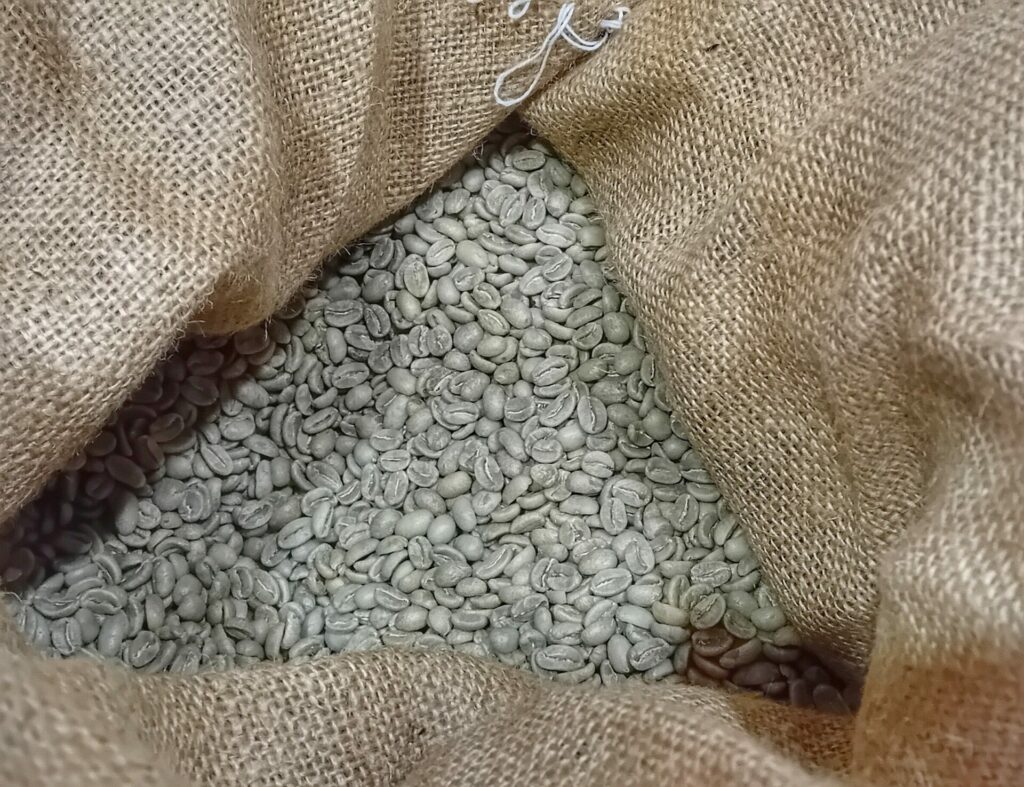
Coffee reached Europe through trade with the Arab and Ottoman worlds, and Venice, thanks to its position on the Mediterranean trade routes, played an important role in spreading the drink.
One of the key figures in this early period was Prospero Alpini, an Italian physician and botanist who lived in Egypt in the late 16th century. In 1591, in his De Medicina Aegyptiorum, he described the coffee plant and the way coffee was consumed in Egypt, helping to spread knowledge of the drink in Europe.
Initially an exotic and expensive product, coffee gradually became popular among Venetian society, turning into an opportunity for conversation and socialising. During the 18th century, coffee houses spread through Italy’s main cities, becoming meeting places for intellectuals, artists and politicians.
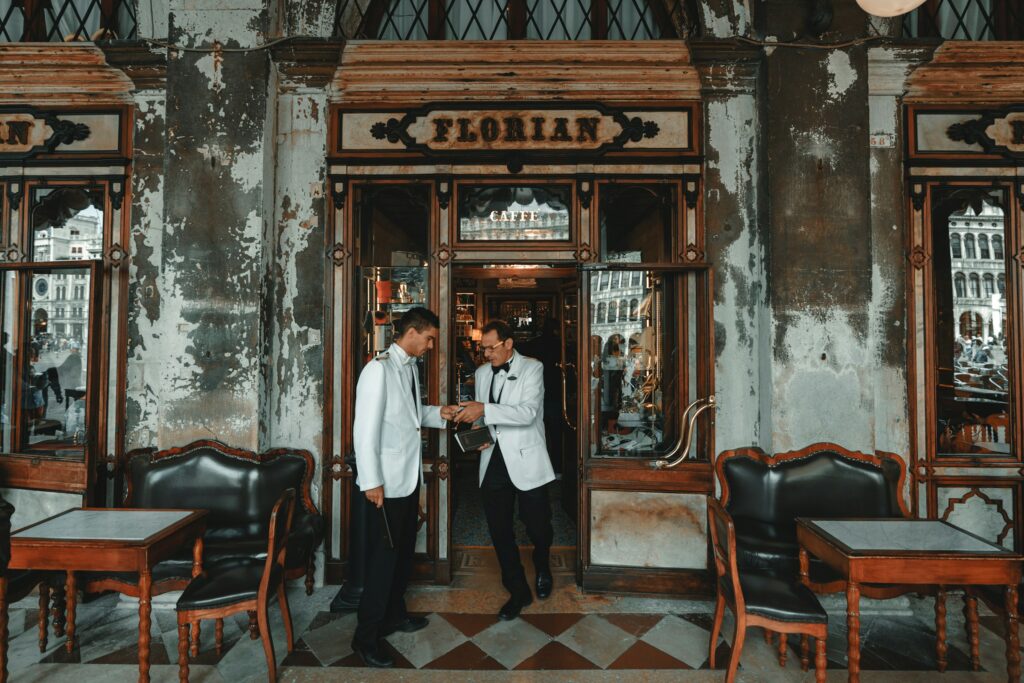
The symbol of this long tradition is Caffè Florian in Piazza San Marco, opened on 29 December 1720 by Floriano Francesconi under the name “Alla Venezia Trionfante”. Still open today, it is considered the oldest coffee house in Italy.
From the Coffee House to Espresso
The birth of Italian espresso was the result of a long process of technological development. In 1884, in Turin, Angelo Moriondo patented a steam-powered machine designed to prepare coffee quickly. At the beginning of the 20th century, Luigi Bezzera further developed the technology, while Desiderio Pavoni helped bring it to the market.
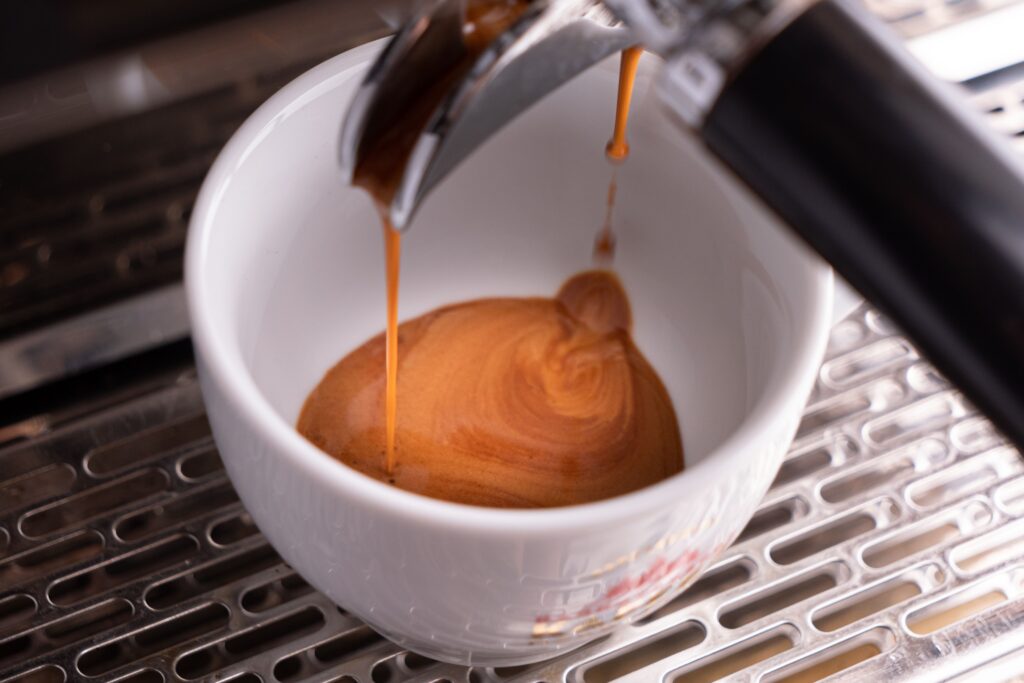
The real breakthrough came after the Second World War with Achille Gaggia and his lever-operated machine, which introduced a higher-pressure extraction system that was crucial for producing the distinctive crema of modern espresso.
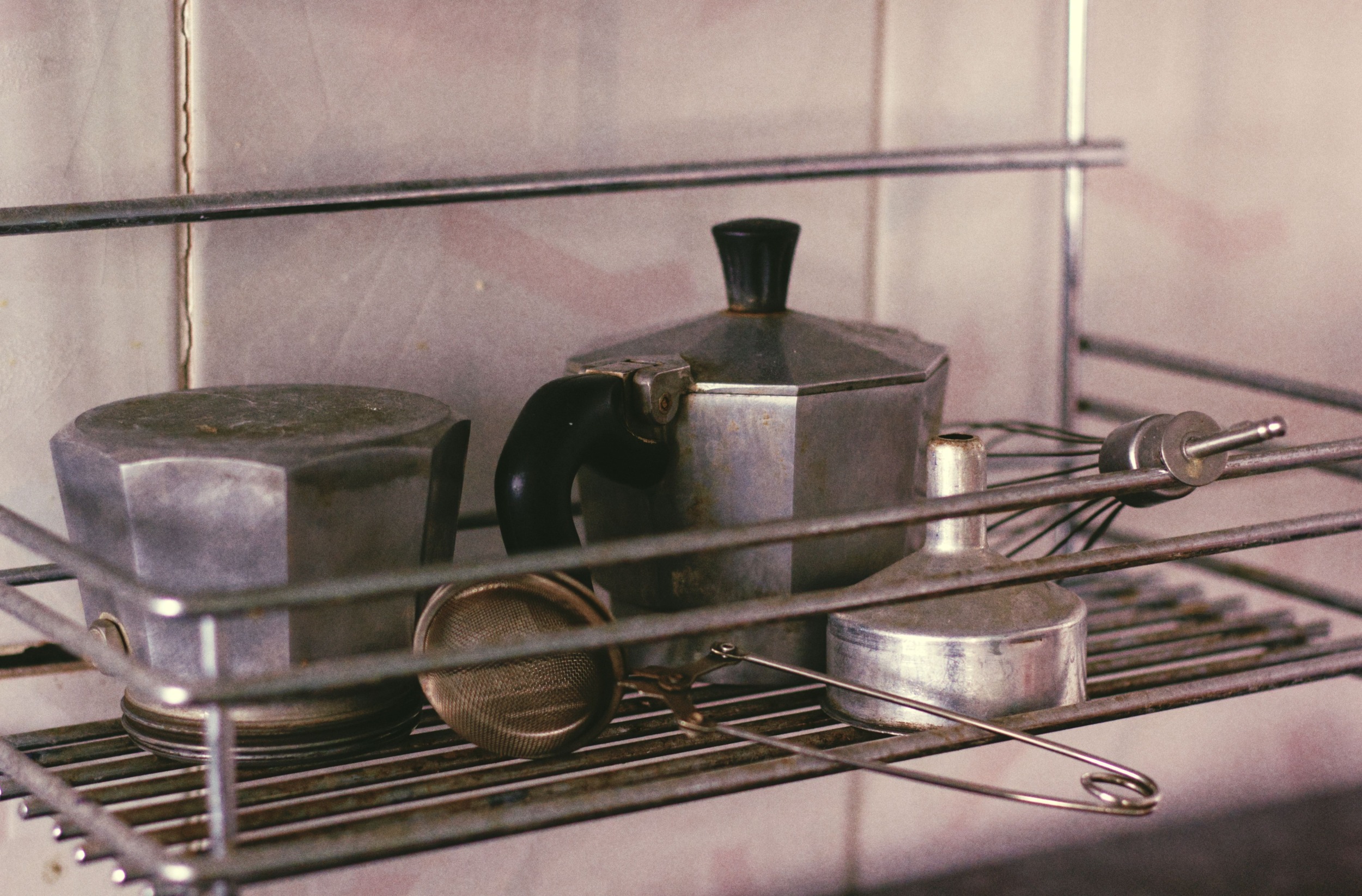
If espresso is the face of coffee at the bar, in Italian homes the moka pot takes centre stage. The Moka Express was designed by Alfonso Bialetti and patented in 1933, becoming one of the most recognisable objects of Italian design. It works by using the pressure created by water heated in the lower chamber, which passes through the ground coffee and rises into the upper chamber.
It does not produce espresso, because the pressure, temperature and extraction method are different, but it creates a drink with its own distinctive characteristics. The familiar gurgling sound of the moka pot and the aroma filling the kitchen have become part of the daily ritual in countless Italian homes.
The Cuccumella and Neapolitan Coffee
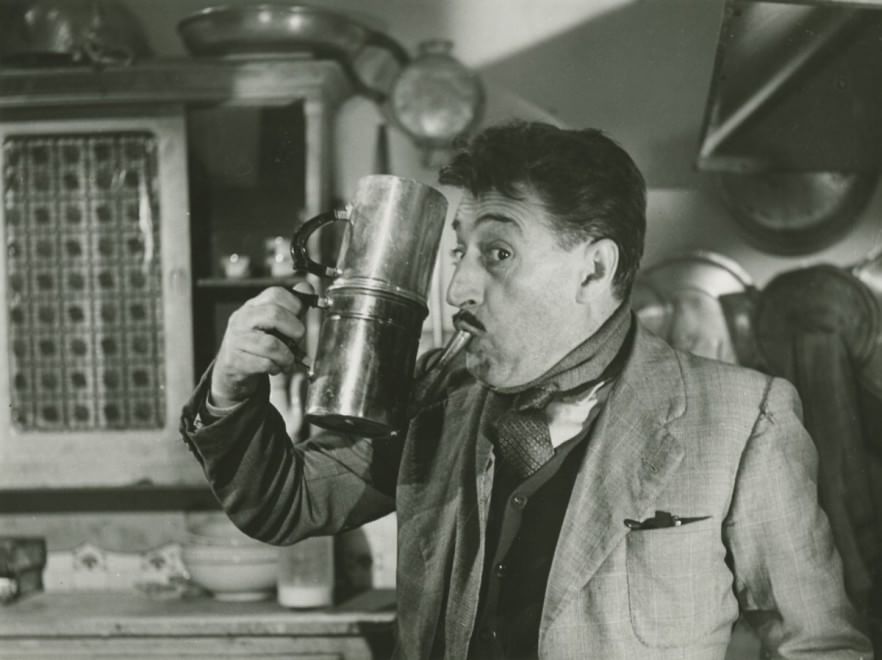 Before the moka pot became widespread, the cuccumella, a traditional gravity coffee maker, had already become popular in Naples. Once the water has been heated, the pot is turned upside down and the liquid slowly passes through the ground coffee.
The cuccumella is one of the symbols of Neapolitan home culture, showing how coffee preparation in Italy has always involved different techniques closely linked to local traditions.
In Naples, coffee is above all a daily ritual, in which the quality of the blend, the grind, the preparation and the skill of the person making it all contribute to the final result. There is no single formula that defines “true Neapolitan coffee”: the tradition is above all about conviviality and the drink’s cultural identity.
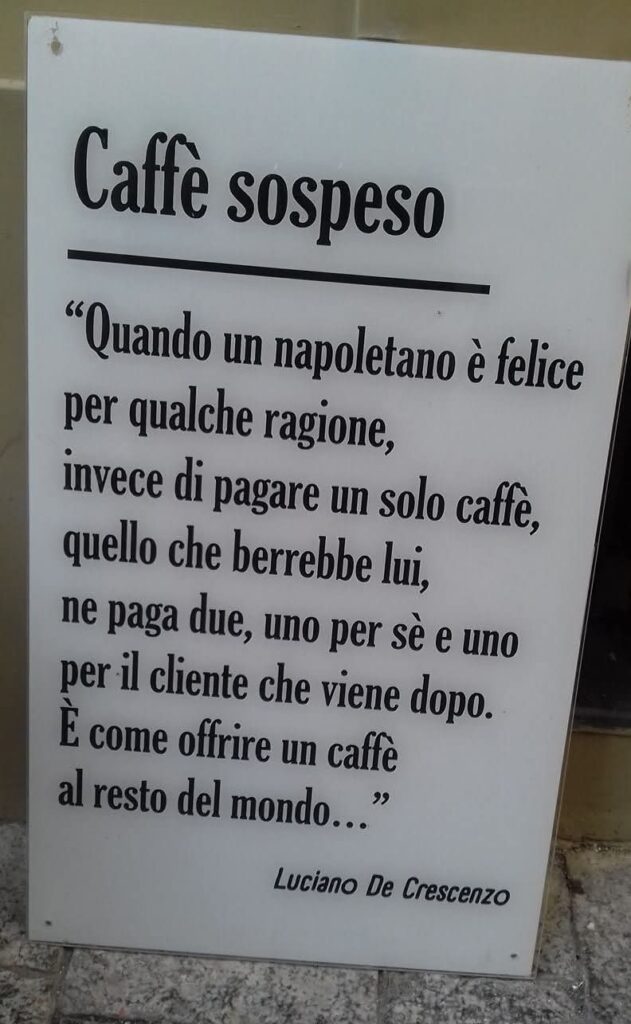
One of the best-known customs is caffè sospeso, or ‘o cafè suspiso. Someone who orders one pays for two coffees, drinks one and leaves the second for a person who cannot afford one. Although its exact origins are not clearly documented, over time it has become a symbol of Neapolitan popular culture and anonymous acts of solidarity.
Different Ways of Preparing Coffee
There are many different ways to prepare coffee, varying in pressure, temperature, grind size and extraction time. In Italy, the moka pot and espresso remain the most representative methods, but international preparations such as filter coffee and the French Press have also become increasingly popular.
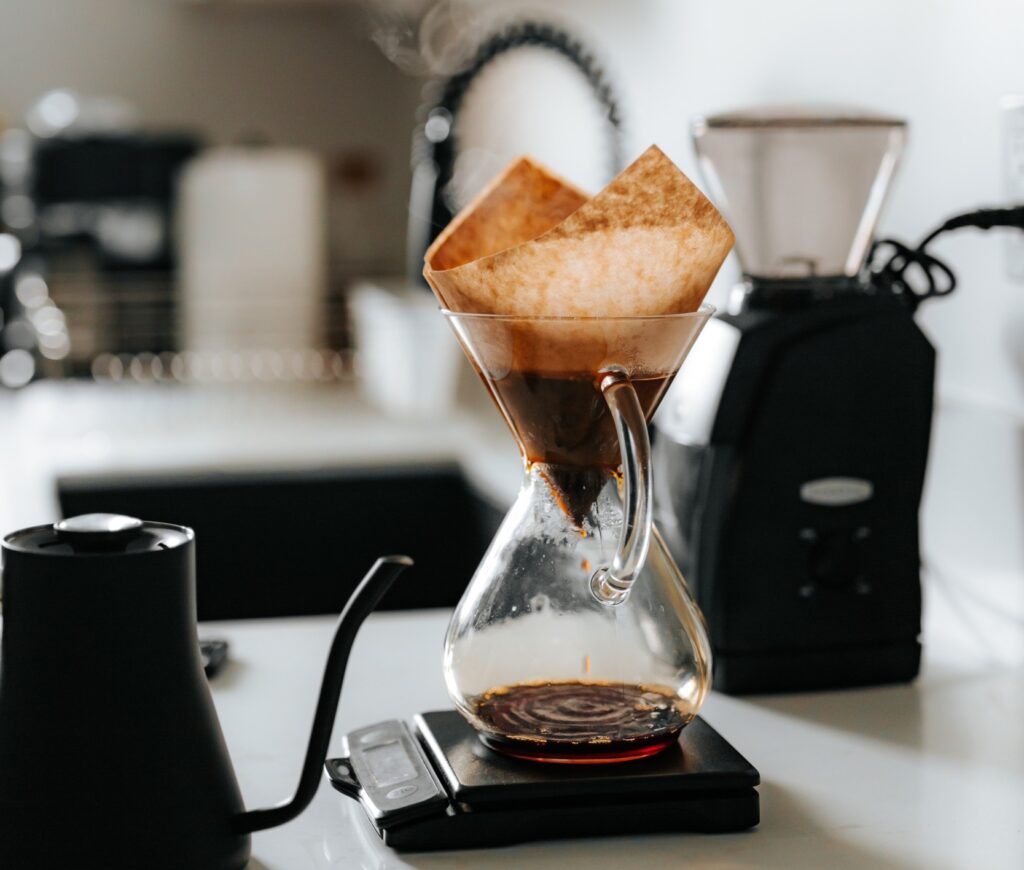
With filter coffee, water slowly passes through ground coffee held in a filter, producing a larger drink than espresso. The French Press, on the other hand, involves steeping coffee in hot water before separating the grounds with a plunger filter. With Turkish coffee, finely ground coffee is prepared directly with water in a traditional vessel, generally known as a cezve or ibrik.
The techniques are different, but they all show how the balance between water and coffee can change the drink’s aroma, body and intensity.
The Main Coffees to Order at an Italian Bar
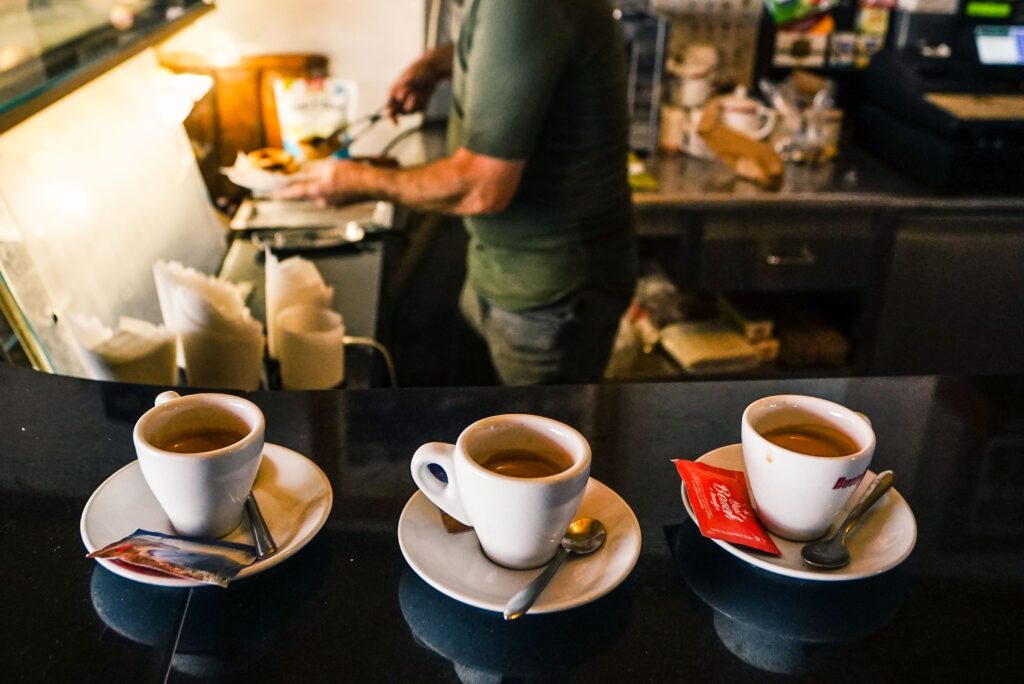
Espresso is the basis for many coffee drinks served in Italian bars. A ristretto is made with a shorter extraction, while a caffè lungo contains more water. A macchiato adds a small amount of milk to an espresso, while a cappuccino combines espresso, steamed milk and milk foam, and is traditionally associated with breakfast.
A caffellatte contains more hot milk, while a latte macchiato consists of hot milk with a shot of espresso. A caffè corretto is enriched with a small amount of spirits, such as grappa or sambuca; a caffè shakerato is shaken with ice and, often, sugar. An affogato combines espresso and gelato, while caffè americano generally means an espresso topped up with hot water.
Cappuccino and Italian Coffee Habits

Cappuccino is traditionally associated with breakfast, often accompanied by a cornetto or brioche. After lunch or dinner, espresso is the more common choice. There is no official rule, however: ordering a cappuccino in the afternoon is perfectly acceptable, even if it is less traditional.
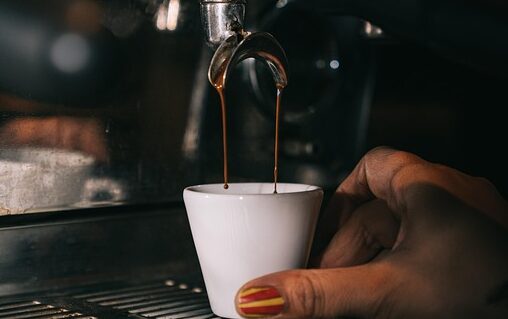
For visitors to Italy, the simplest rule is also the most useful: at a bar, ordering “un caffè” will normally get you an espresso. Having it standing at the counter is one of the traditional ways to enjoy it, while table service may cost more.
Also be careful with the word “latte”: simply ordering “un latte” means asking for milk. If you want an espresso-based milk drink, it is therefore better to specify caffellatte or latte macchiato.
In many bars, espresso is served with a small glass of water, generally recommended before the coffee to cleanse the palate and better appreciate the aromas. Drinking it afterwards is not considered a mistake, however.
The 5 Ms of Espresso
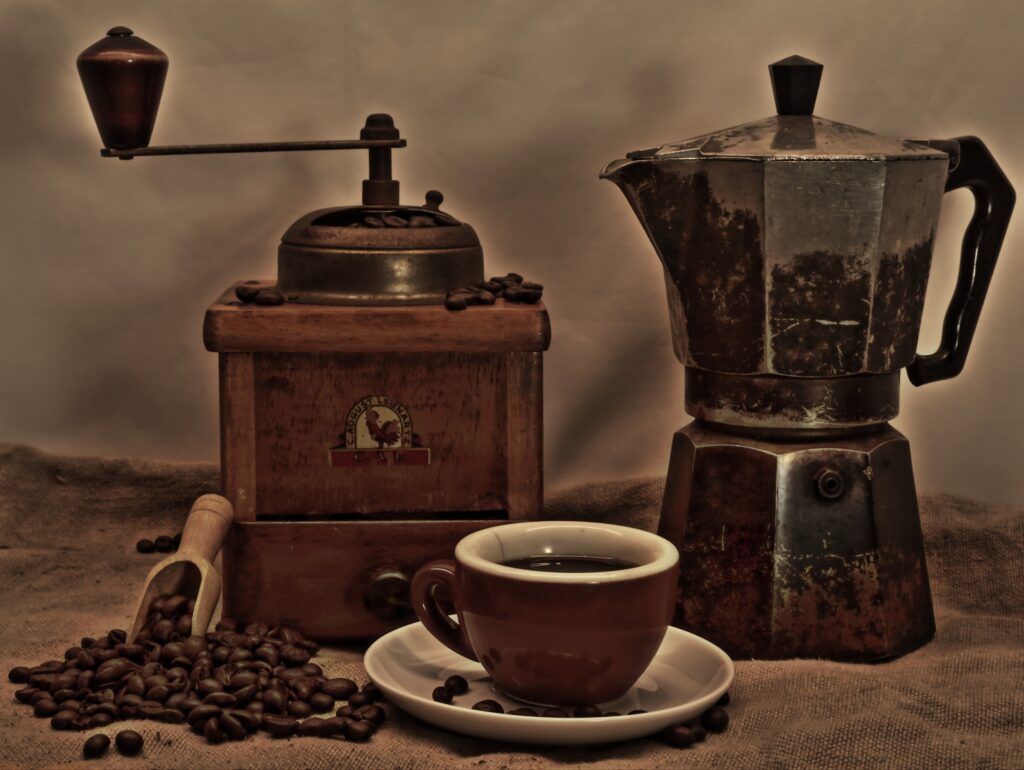
The quality of an espresso depends on several factors, often summed up in the concept of the “5 Ms”: miscela, macinacaffè, macchina, manutenzione and mano. The blend concerns the quality and composition of the beans, the grinder determines the correct grind size, the machine must provide the right temperature and pressure, while maintenance and the barista’s skill help ensure proper extraction.
A good cup is therefore the result of the interaction between raw materials, technology and experience.
Regional Coffee Specialties
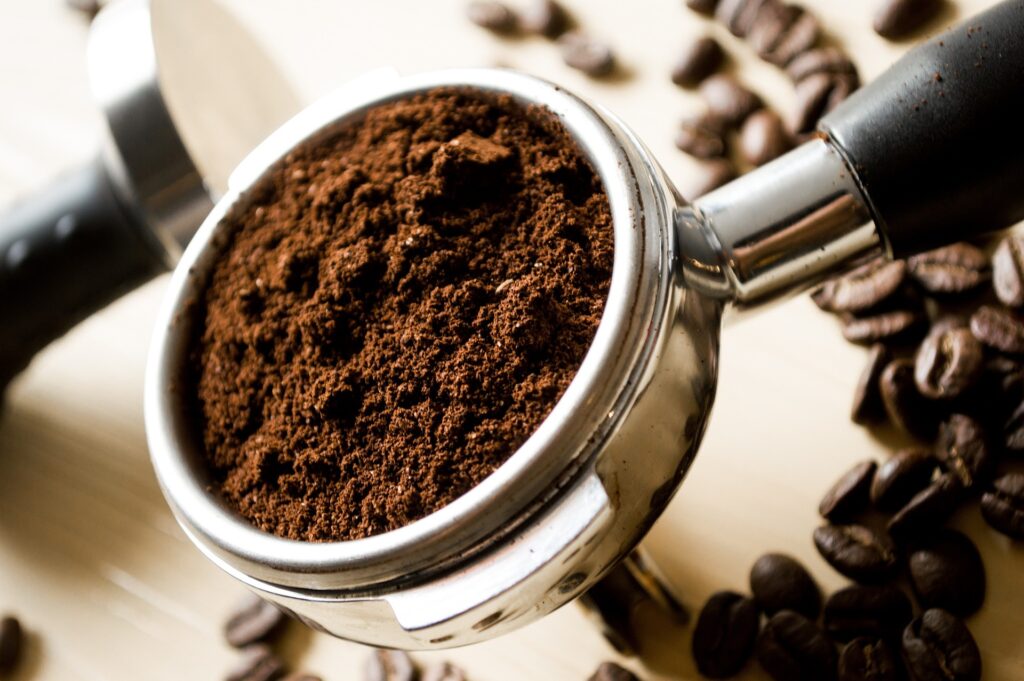
Italy’s coffee culture varies from one region to another. In Piedmont, Turin’s bicerin combines coffee, chocolate and milk cream, served together in a small glass. In Puglia, particularly in Salento, caffè leccese combines espresso, ice and almond milk, making it one of the region’s most distinctive summer drinks.
Caffè corretto, with the addition of a spirit, is popular in different parts of Italy, with variations reflecting local traditions. These preparations show how the same drink can adapt to the products, tastes and culinary customs of different regions.
Coffee in Everyday Italian Life
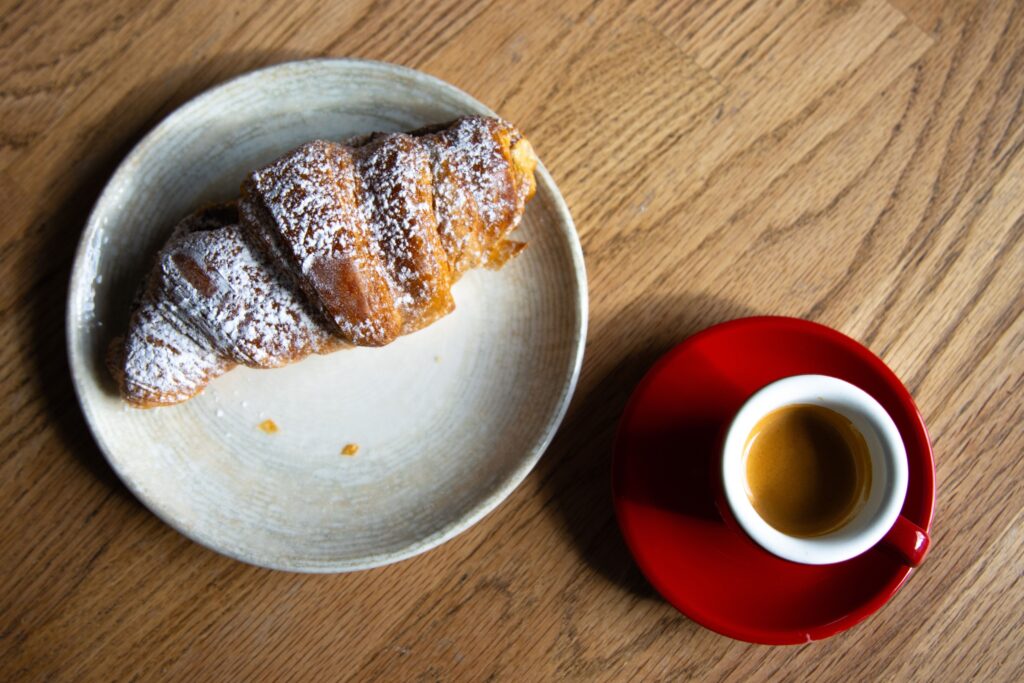
The role of coffee in Italy goes far beyond simply drinking it. It is part of the morning routine, breaks up the working day and creates informal opportunities to meet and chat. The expression “prendiamoci un caffè” is often an invitation to stop for a while and have a conversation, while the local bar remains one of the easiest places to observe the habits and rhythms of everyday life.
From the Neighbourhood Bar to Specialty Coffee
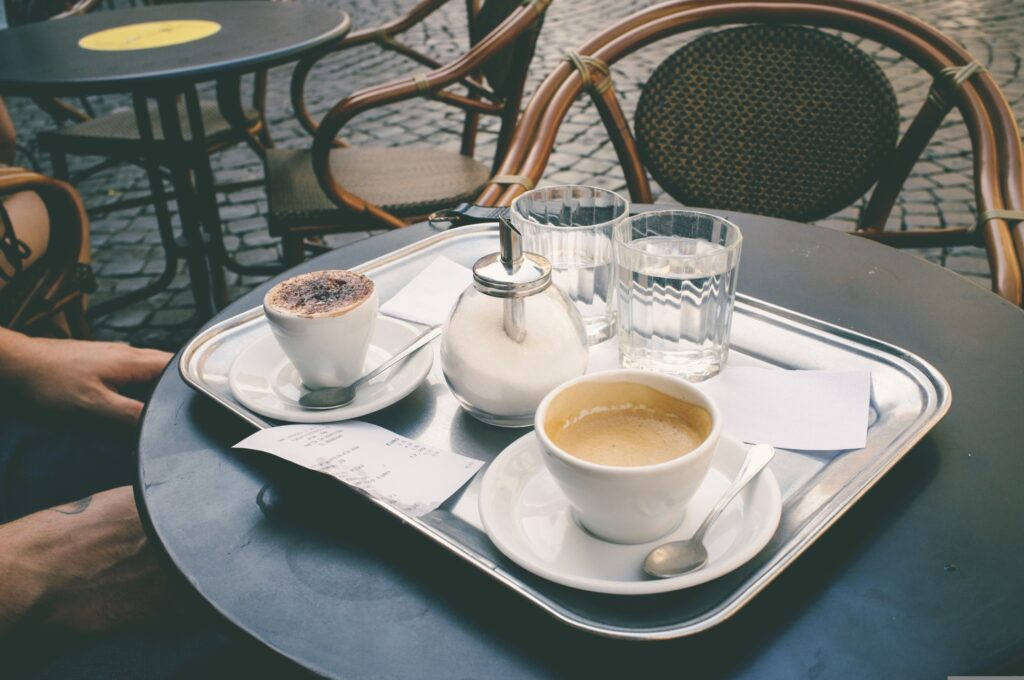
Alongside the traditional neighbourhood bar, new specialty coffee shops have emerged, offering single-origin beans, specialty coffee, filter methods, manual brewing and new interpretations of espresso.
The coffee scene has therefore expanded without abandoning its traditional preparations. For travellers, this means being able to choose between very different experiences: from a quick espresso at the counter to a more in-depth tasting focused on bean origin, roasting and extraction methods.
A Journey Through Italy’s Coffee Culture
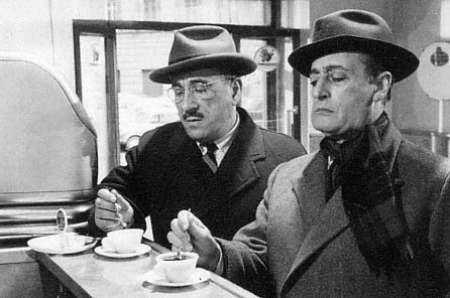 Following the history of coffee means travelling across Italy and seeing how the same drink has taken on different forms over time. From the first coffee houses to today’s modern cafés, from home preparation to professional techniques, every stage tells a different chapter in the evolution of Italian tastes and habits.
Regional differences are particularly evident in local specialties, preparation methods and daily rituals, yet they coexist with a shared custom: setting aside a moment for a cup of coffee, whether at a bar counter or in the comfort of home.
A Cup That Tells the Story of Italy
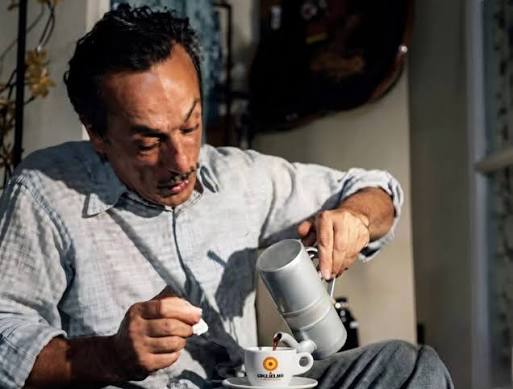 From Venice’s historic coffee houses to today’s cafés, coffee has evolved alongside Italian society, adapting to new technologies, tastes and ways of consuming it. Its history is therefore not simply the story of a drink, but also of places, gestures and people.
For anyone visiting Italy, ordering a coffee means stepping into this everyday culture for a few minutes, experiencing a seemingly simple habit that, through its flavours and the way it is served, can reveal something of the country’s history and culture.