

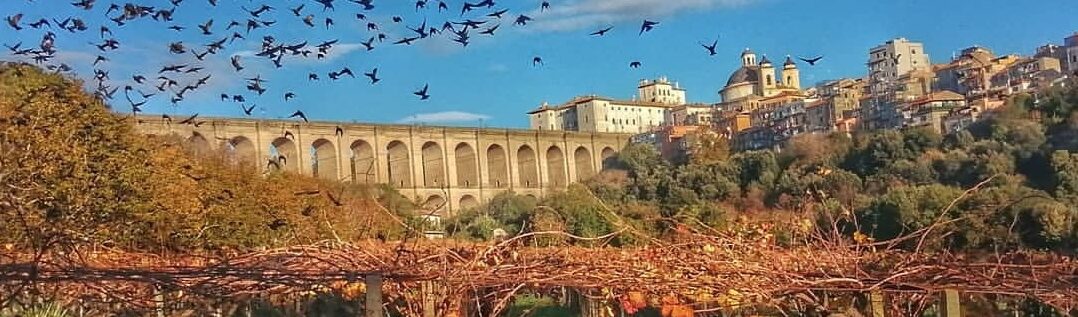
Perched on the Alban Hills, just a short distance from Rome , Ariccia is one of the most distinctive towns in the Castelli Romani, where history, landscape, Baroque architecture and food come together in an area shaped by ancient volcanic activity. Surrounded by woods and hills, Vallericcia is a volcanic depression that was probably occupied, at least in part, by a lake in the past.
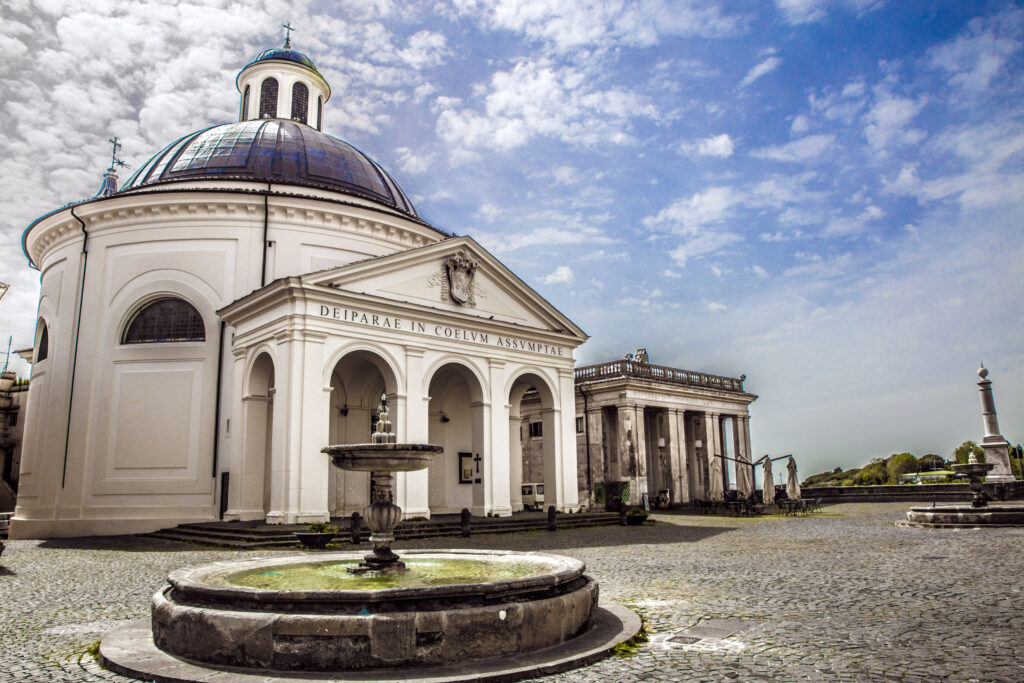
At the heart of the town is piazza di Corte, one of the most recognizable examples of Baroque architecture in the Castelli Romani. It is home to the Collegiata di Santa Maria Assunta and Palazzo Chigi, an important historic residence redesigned in the second half of the 17th century as part of a project associated with Gian Lorenzo Bernini, with the collaboration of Carlo Fontana. The palace still preserves its historic rooms and furnishings, making it one of the most significant examples of Roman Baroque.
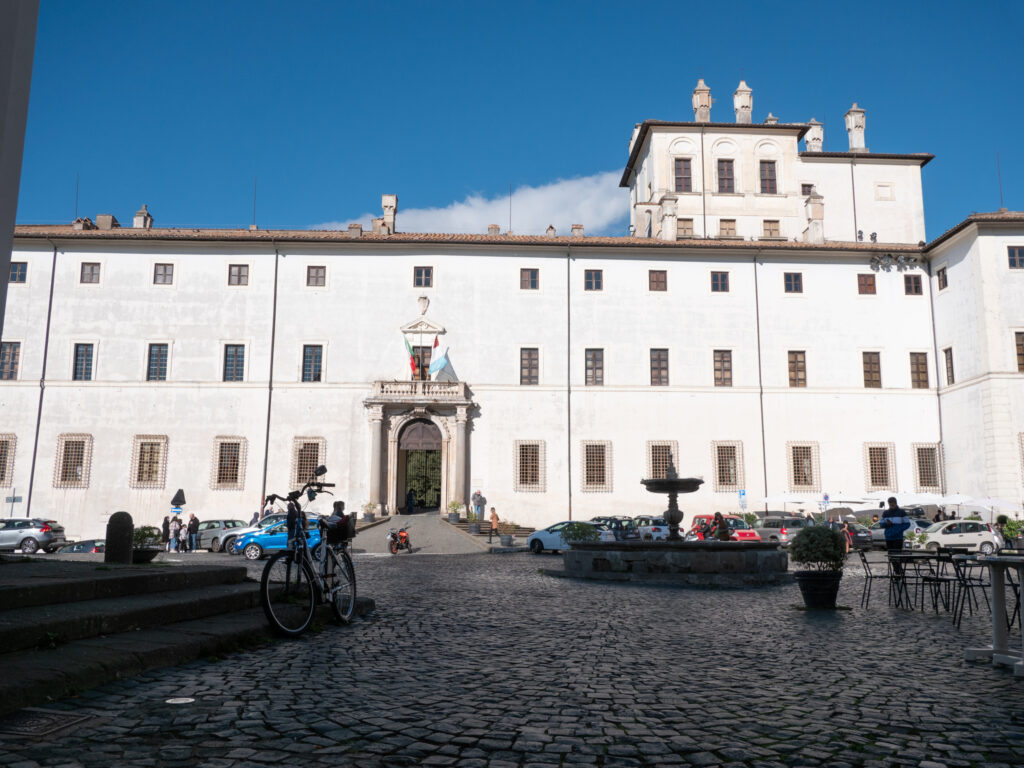
The redesign of the square and surrounding buildings was part of a broader urban transformation that gave Ariccia a completely new look, much of which can still be appreciated while walking through the historic centre. Also worth seeing are the Giardini di Palazzo Chigi, a large green area historically connected to the palace and a great place to appreciate the close relationship between architecture and landscape that defines this part of the Castelli Romani.
The Monumental Bridge and the Appian Way
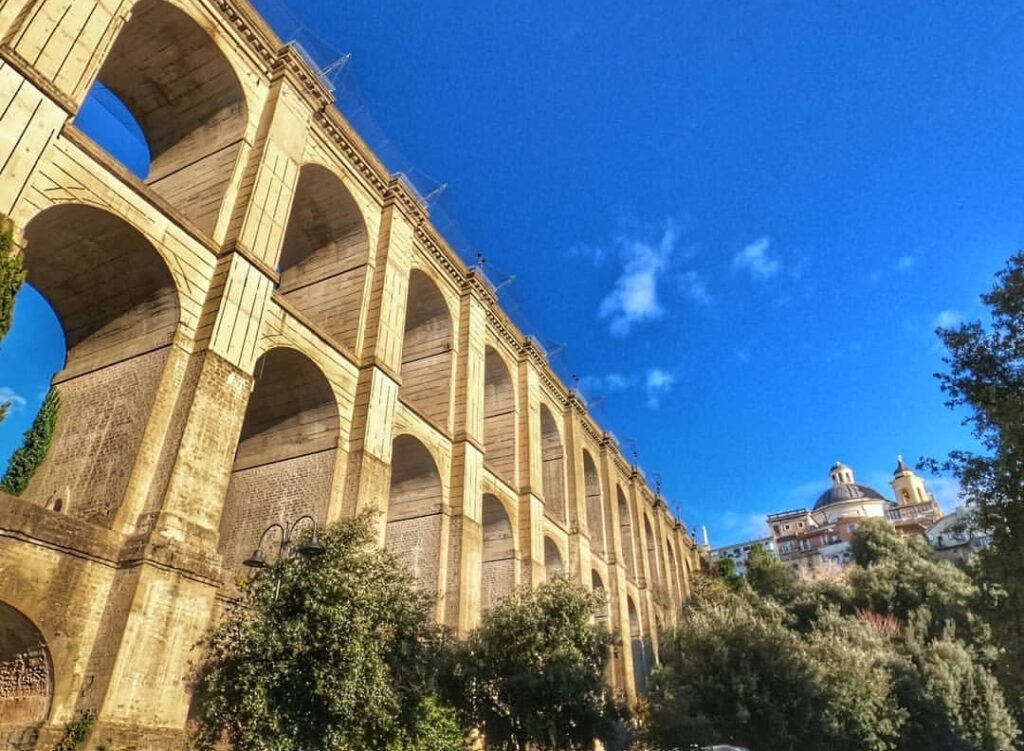
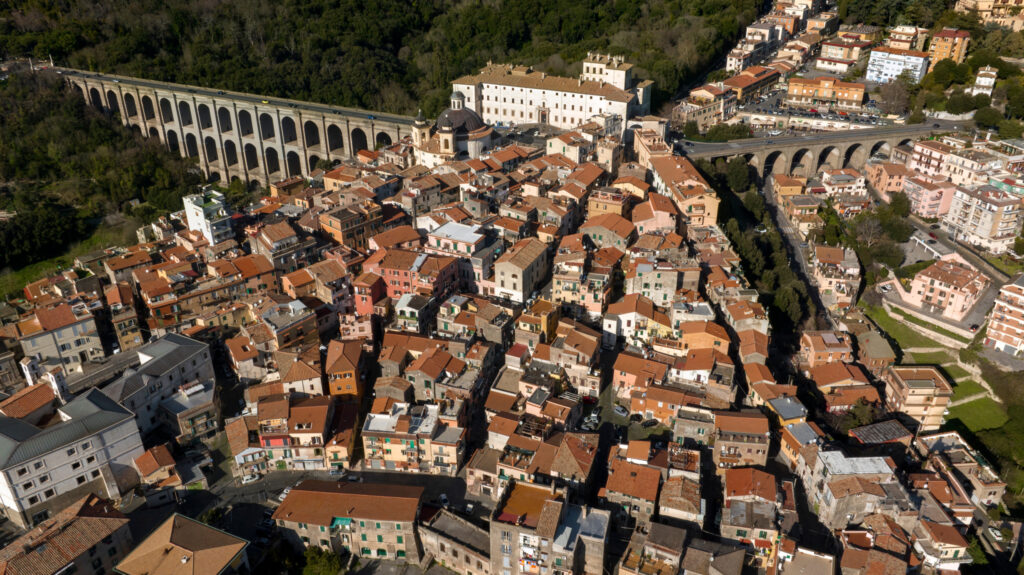
One of Ariccia’s most recognizable landmarks is the Ponte Monumentale, built in the 19th century to span the deep valley below and improve connections along the Appian Way. Constructed between 1847 and 1854, it significantly changed the area’s road network, creating a direct link between Ariccia, Albano and Genzano.
The bridge remains one of the town’s most distinctive landmarks and offers a unique view of the historic centre and the surrounding Alban Hills. Its history, however, also reflects the events of the 20th century: it was badly damaged during the Second World War and later rebuilt.
Galloro and Religious Traditions
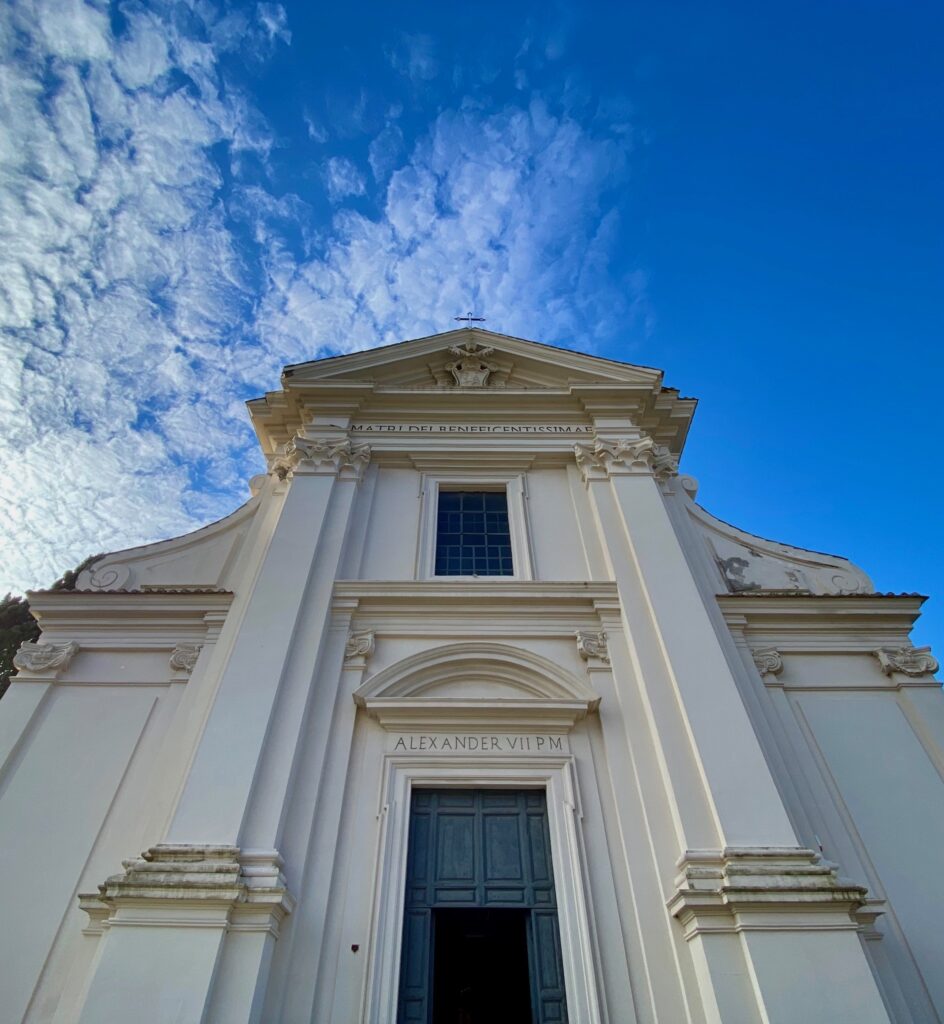
A few kilometres from the town centre stands the Santuario di Santa Maria di Galloro, one of the area’s most important places of worship. Devotion to the Madonna di Galloro is deeply rooted in local history and, according to tradition, the people of Ariccia credited the Virgin with protecting the town during the plague epidemic of 1656.
This devotion also gave rise to the Festa della Signorina, celebrated on December 8 as part of the Feast of the Immaculate Conception. Around Pentecost, the town also celebrates the Madonna di Galloro, together with the traditional Fiera di Galloro, whose origins date back to the 17th century.
These celebrations offer a chance to discover a different side of Ariccia, beyond its most photographed monuments, one that is still closely tied to local rituals, religious traditions and the collective memory of the community.
Eating in Ariccia: Porchetta IGP
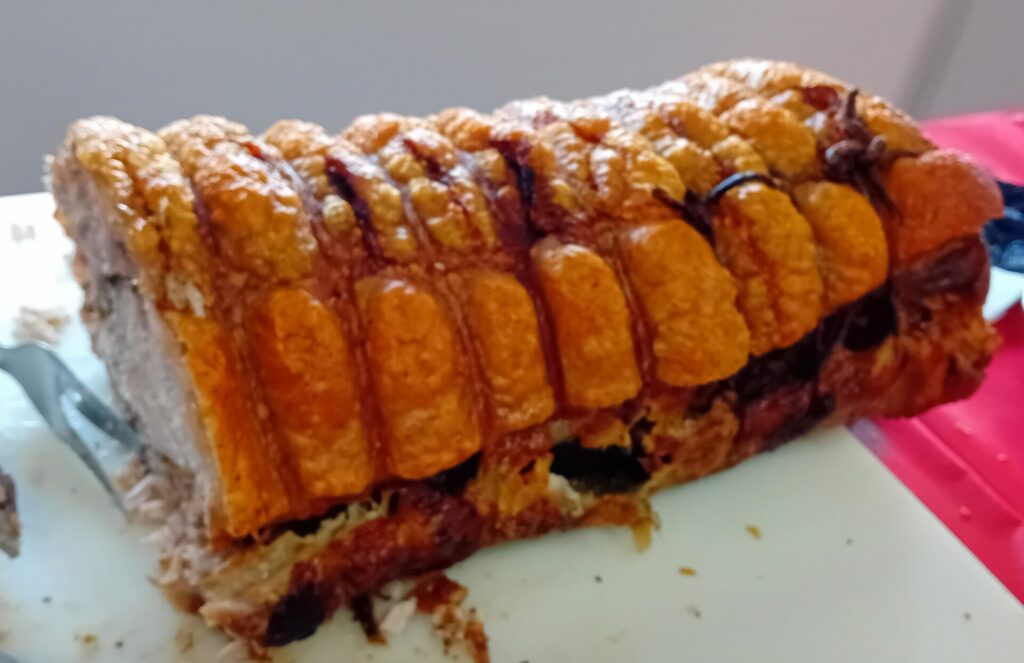
If there is one product that immediately brings Ariccia to mind, it is Porchetta di Ariccia IGP, a protected specialty deeply rooted in the local culinary tradition. The official specifications require female pigs and set precise standards for preparation; the flavours are traditionally defined by rosemary, garlic and black pepper. The outer crust should be crisp and brown, while the meat must retain the characteristics required of the product.
 For the most traditional experience, head to one of the fraschette, the informal local eateries found throughout the Castelli Romani, where good food goes hand in hand with a convivial atmosphere. Porchetta, bread, cured meats and cheeses are at the heart of a simple, unfussy style of cooking designed to be shared.
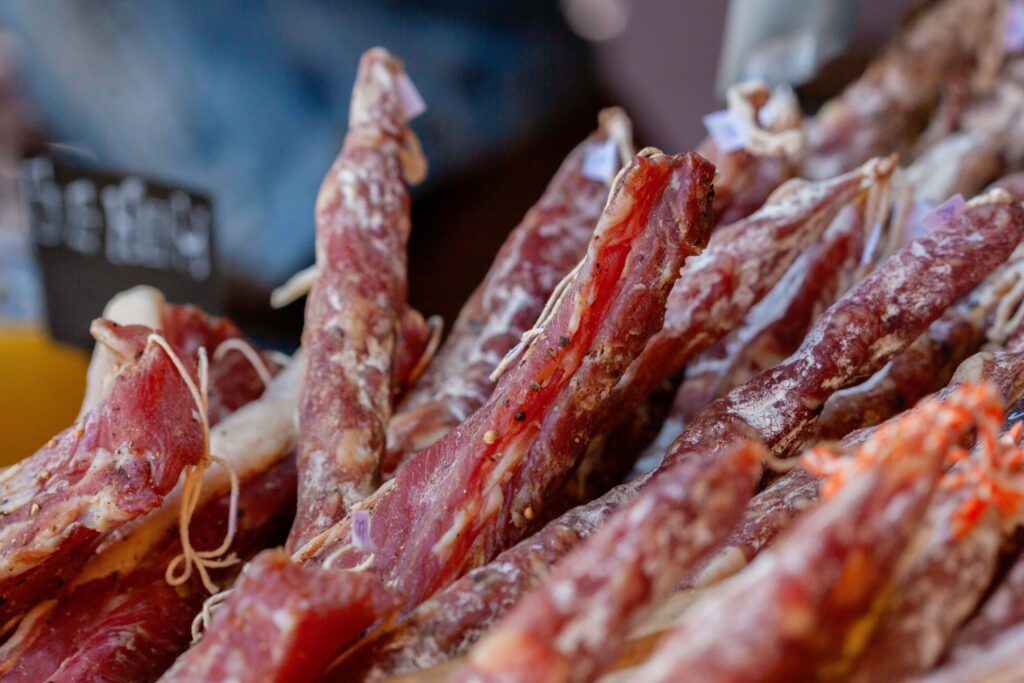
Also worth trying are Roman classics such as carbonara, amatriciana and cacio e pepe, along with coppiette, beans with pork rind, tripe and other traditional dishes. Pair them with wines from the Castelli Romani, including the lively Romanella.
A walk through Ariccia can easily turn into a small itinerary combining art and food: start in piazza di Corte, visit the Collegiata and Palazzo Chigi, wander through the historic centre and make your way to the Monumental Bridge, then stop at a fraschetta for a generous serving of freshly sliced porchetta.
It is this balance of Baroque architecture, landscape, traditions and food that makes Ariccia one of the most recognizable destinations in the Castelli Romani, perfect for a day trip from Rome but equally rewarding if you take your time to explore the area.