

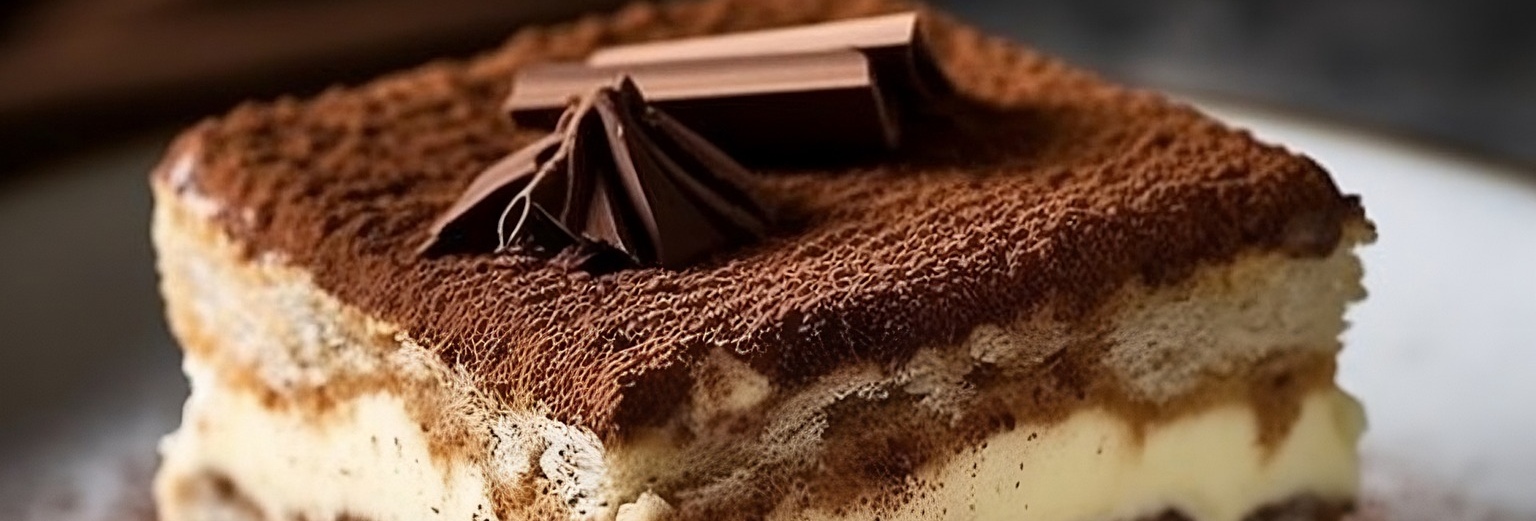
Few ingredients, a distinctive combination of flavours and a story that continues to spark curiosity. Tiramisu is one of Italy’s best-known desserts worldwide, yet there are still several theories about its origins.
The story leads mainly to northeastern Italy, particularly Treviso, where Le Beccherie restaurant remains one of the key names associated with the dessert’s development and the establishment of its classic recipe.

Tiramesù first appeared on the restaurant’s menu in 1972, following a period of experimentation by Alba Campeol and pastry chef Roberto Linguanotto. In 1981, food writer Giuseppe Maffioli also published one of the earliest written accounts linking tiramisu to Le Beccherie.

This does not, however, settle the debate over the dessert’s origins once and for all. Earlier accounts and historical reconstructions also point to Friuli-Venezia Giulia. Rather than looking for a single birthplace, it is worth exploring how tiramisu gradually became one of the most recognisable expressions of Italian cuisine.
The secret lies in the balance

The classic recipe is simple: ladyfingers, mascarpone, eggs, sugar, coffee and unsweetened cocoa powder. The real challenge lies in getting the preparation just right.
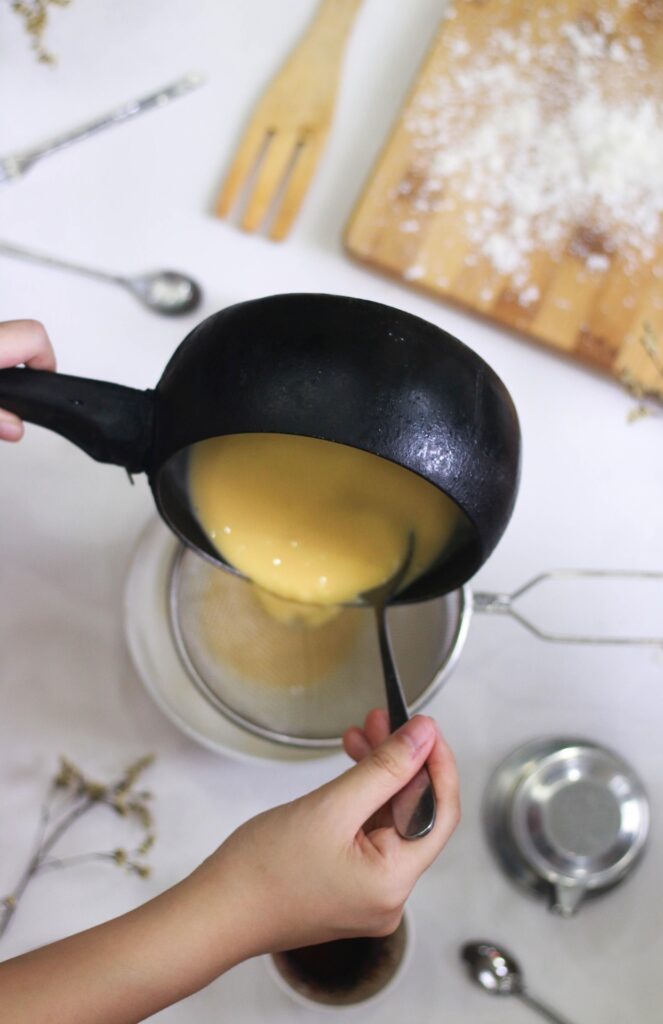
The ladyfingers need to soak up the coffee without falling apart, while the cream should remain soft and velvety. Chilling the dessert allows the layers to meld together, while the unsweetened cocoa powder is best dusted over the top just before serving.
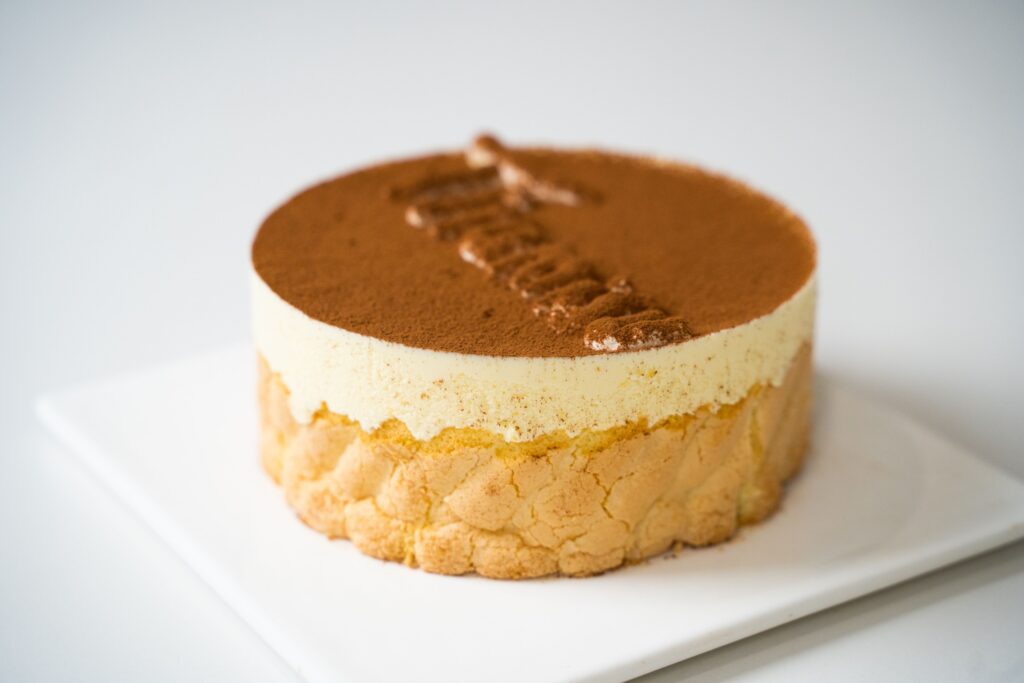
This simple foundation has inspired countless variations, from individual servings in glasses and tiramisu cakes to ice cream, fruit-based versions and increasingly creative desserts. Yet tiramisu’s enduring appeal lies in its simple, no-frills recipe, where the bitterness of coffee meets the sweetness of the cream and the rich flavour of cocoa.
Tiramisu takes centre stage at the Olympics
The dessert’s popularity also made waves on social media during the Milano Cortina 2026 Winter Olympics. Several international athletes shared videos and posts about trying tiramisu in the Olympic Villages, helping turn it into one of the Games’ unexpected food sensations.

Among those featured in the videos was Swiss snowboarder Jonas Hasler, while other athletes took to social media to share their experiences with Italian food during the Games. It may seem like a small detail, but it says a lot: tiramisu was more than just a dessert to try, it was a simple and immediate way for athletes to experience a taste of Italian cuisine.
One dessert, countless variations
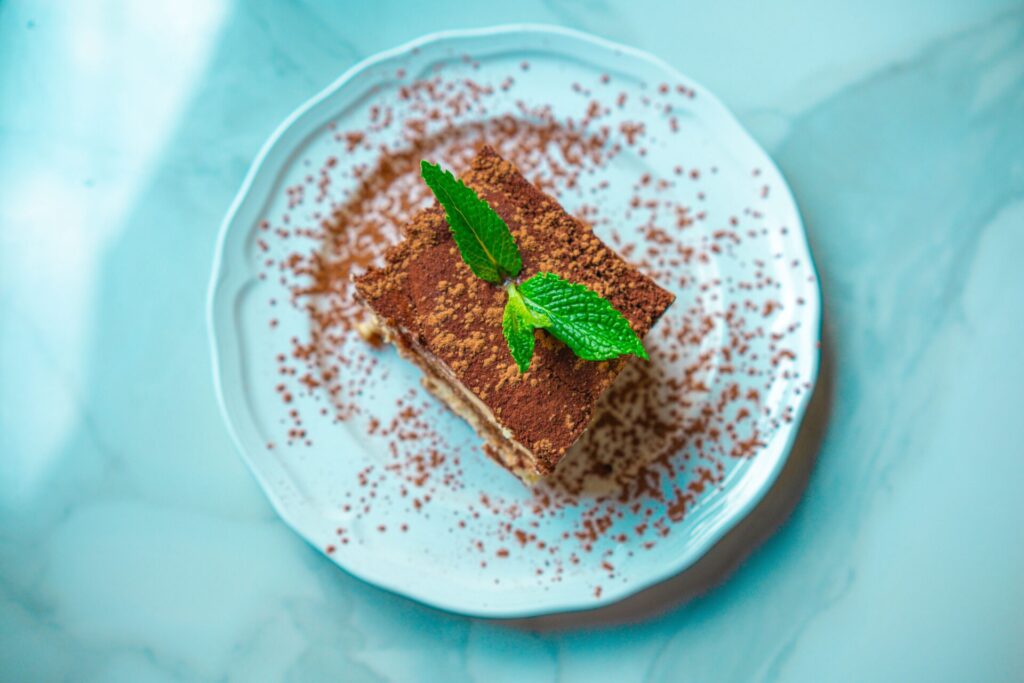
Tiramisu’s international success has become an established part of Italian culinary history. In 2017, the Tiramisù World Cup was launched, a competition for amateur enthusiasts, and the dessert continues to inspire new interpretations in restaurants and pastry shops around the world.
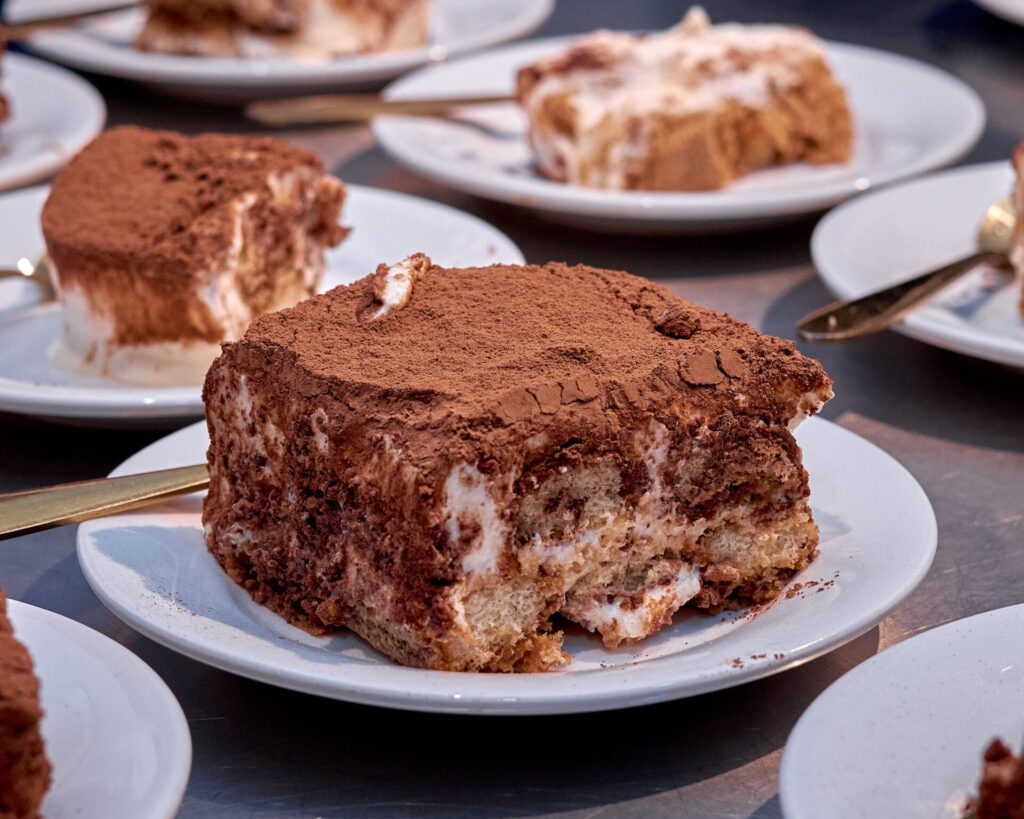
Perhaps that is precisely what makes it so special: tiramisu needs neither exotic ingredients nor complicated techniques. Starting with just a handful of everyday ingredients, it has conquered the world and turned a relatively simple recipe into a true symbol of Italian flavour.
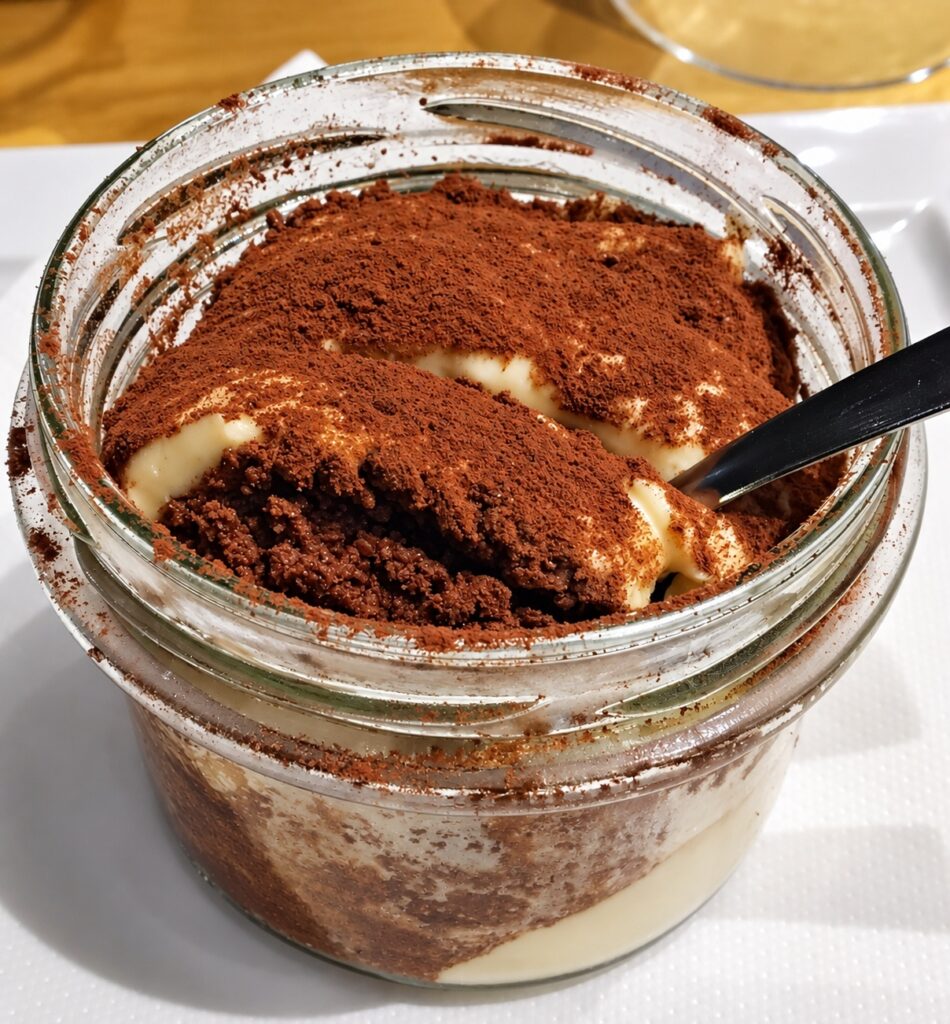
From family kitchens to restaurants and, more recently, the videos shared by athletes at Milano Cortina, tiramisu’s journey continues. And whether you’re enjoying an individual serving in a glass or a classic slice, one thing is certain: the debate over its origins may continue, but its place in the world of food is already firmly established.