

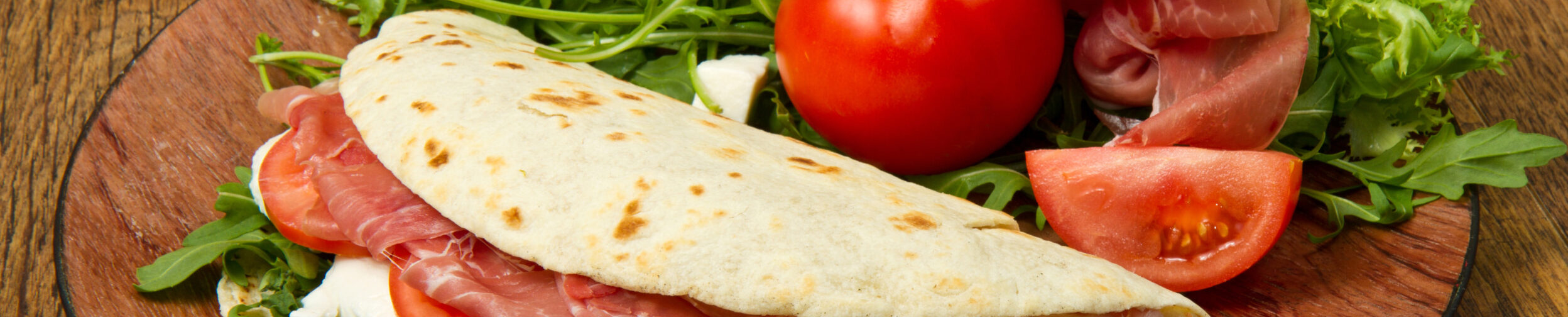
Thin, fragrant and made with just a few simple ingredients, piadina romagnola is one of the best-known symbols of Romagna. A humble food born from local popular tradition, it has gradually become a cornerstone of regional cuisine and a much-loved part of Italian street food.
An Ancient History
The origins of piadina are rooted in the long-standing tradition of flatbreads and unleavened breads found throughout the Mediterranean. Historical sources document links with very ancient preparations, although there is no evidence of a direct, unbroken connection between those early breads and the modern piadina.
The earliest written reference generally associated with piadina dates back to 1371, when it appears in a document concerning Romagna. Over the centuries, the preparation became increasingly associated with rural cuisine, eventually becoming an everyday staple thanks to its simple ingredients and quick cooking method.
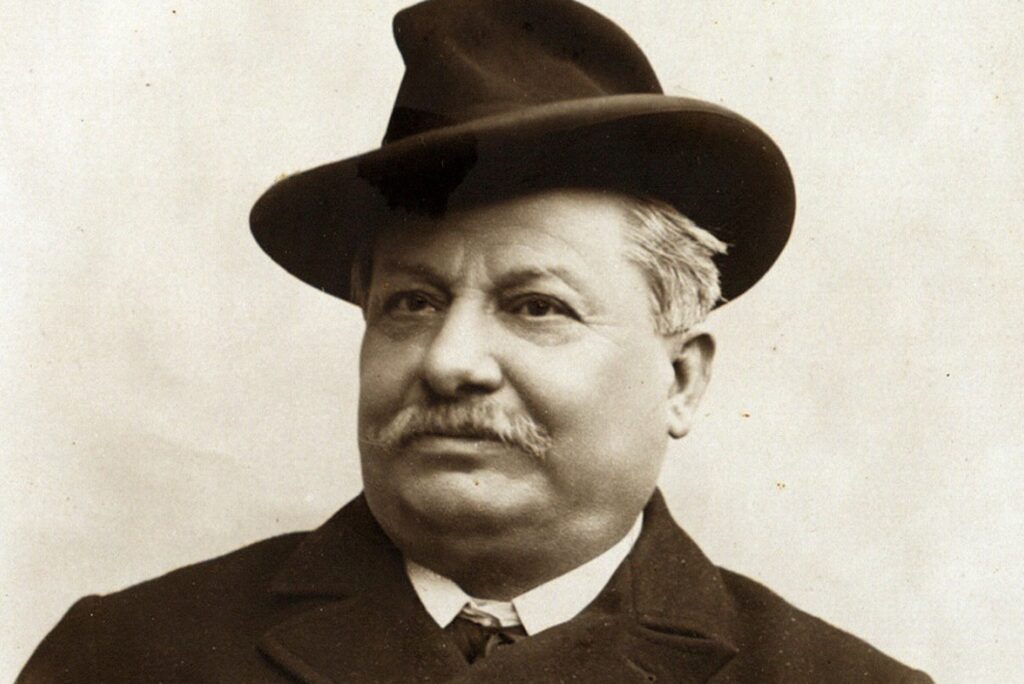
Giovanni Pascoli also helped establish piadina as a cultural symbol through literature. In his poem La piada, he described it as the “bread” of the people of Romagna, highlighting its deep connection with the region’s identity.
Two Piadinas, Two Traditions
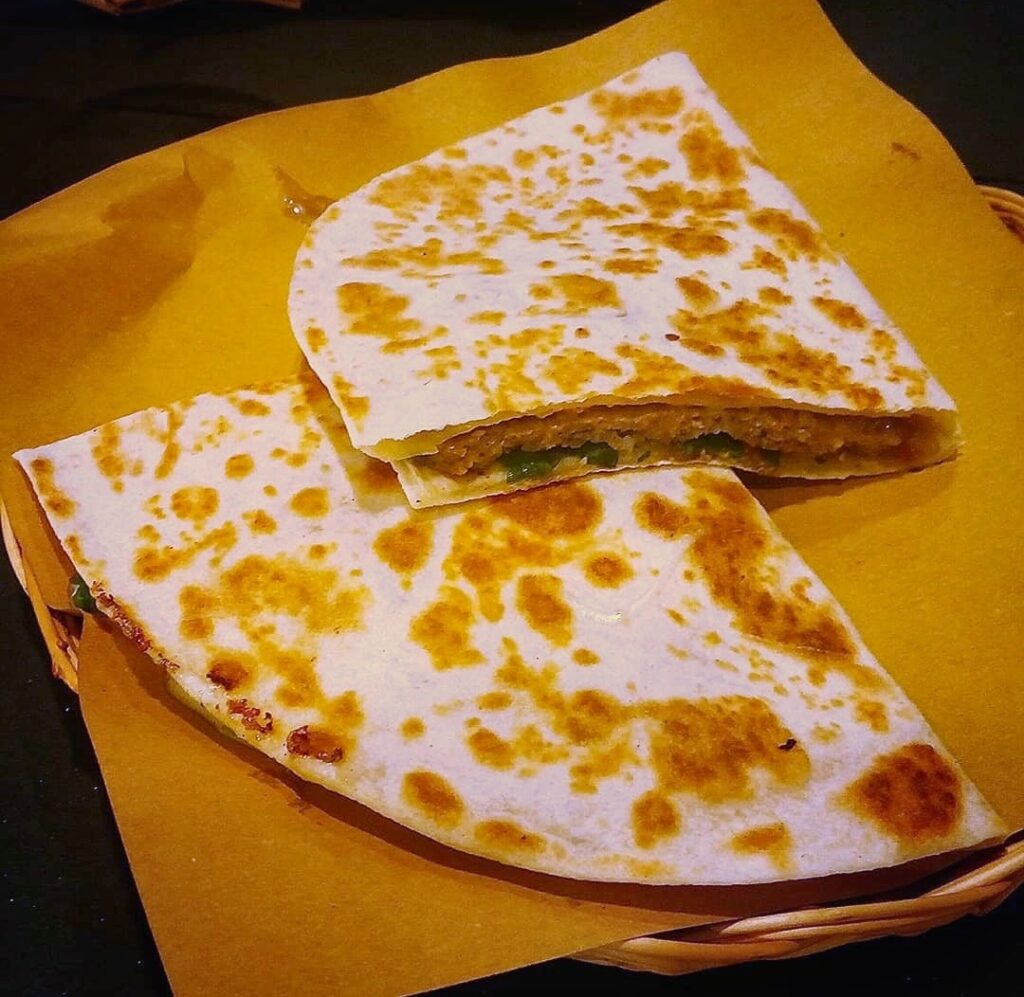
The regulations governing Piadina Romagnola IGP distinguish between two main types. The traditional version has a diameter of between 15 and 25 centimetres and is 4–8 millimetres thick. The Rimini-style version, on the other hand, is larger and much thinner: it can reach 30 centimetres in diameter and has a maximum thickness of 3 millimetres.
The result is a noticeable difference in texture and character: the first is more compact and crumbly, while the Rimini-style piadina is soft, flexible and particularly easy to fold and fill.
Flour, Water and Tradition
 The dough is made with wheat flour, water, salt and fat, such as lard and/or extra virgin olive oil, with the option of adding other ingredients recognised by local tradition and the official regulations.
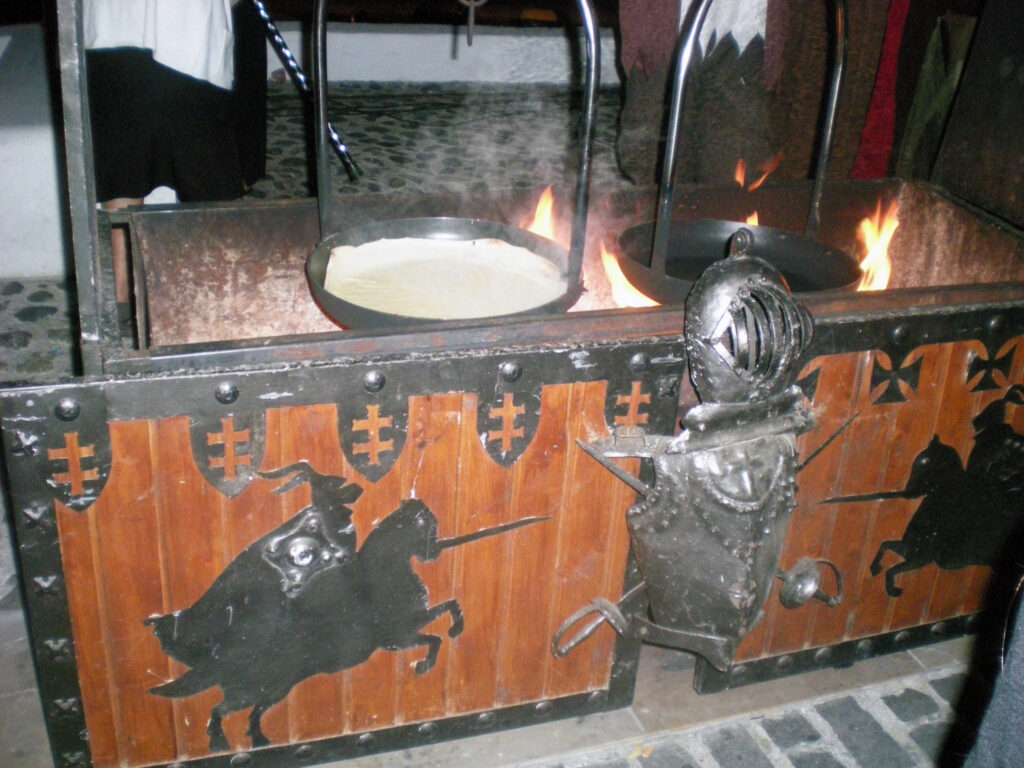
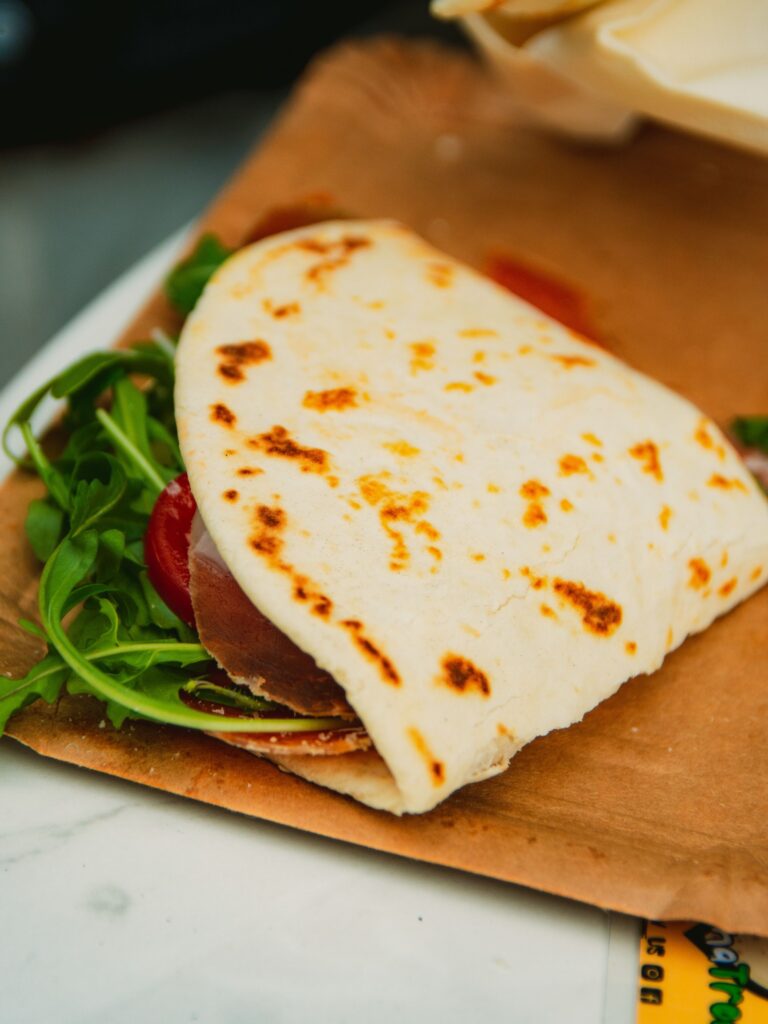
Once rolled out, the piadina is cooked quickly on a very hot surface. The result is a golden flatbread, marked by the characteristic spots created during cooking, ready to be filled while still warm.
From Street Kiosks to the Table
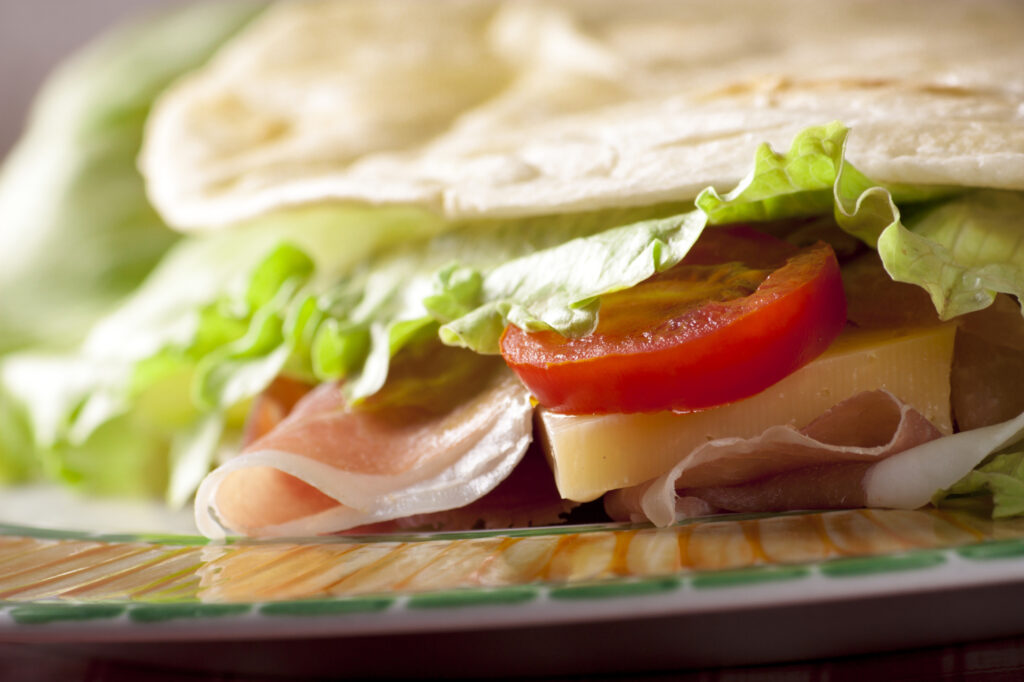
To enjoy piadina in its natural setting, the traditional Romagna kiosks are an essential stop. Here, it is prepared to order and filled in countless different ways.
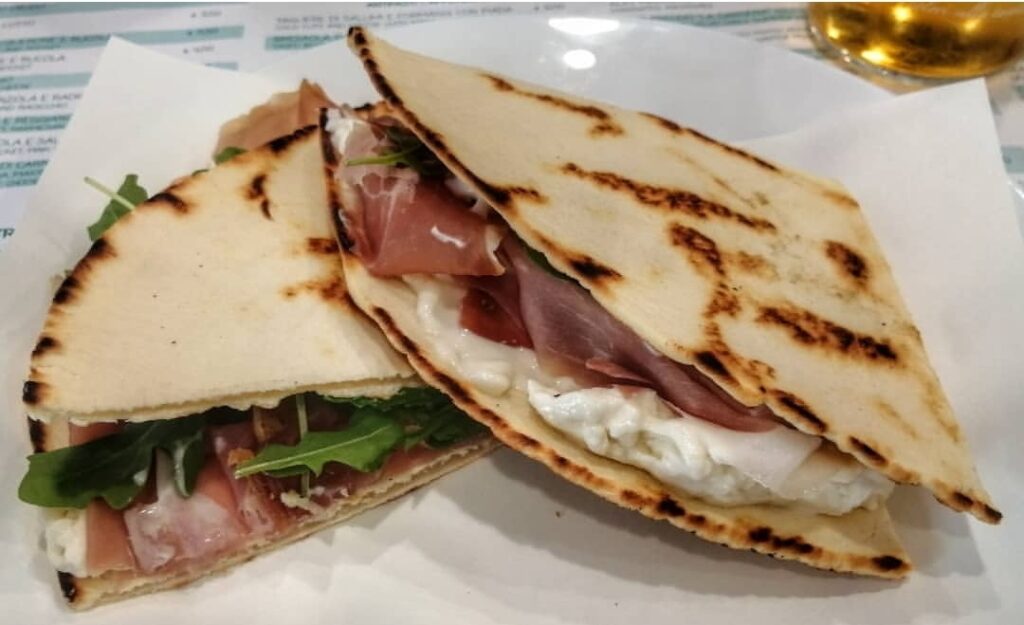
Classic combinations include prosciutto crudo, squacquerone cheese and rocket, while cooked vegetables, cured meats, cheeses and seasonal ingredients are equally traditional choices. To accompany it, a glass of Sangiovese di Romagna is a particularly fitting choice, closely tied to the local territory.
Crescione and Other Variations
The same tradition has also given rise to crescione, known as cassone in some areas: a filled piadina that is folded and sealed before being cooked. Recipes vary from one area to another and according to the ingredients available, ranging from wild greens and cheese to more creative combinations.
There are also contemporary interpretations and sweet versions, which have made piadina an even more versatile speciality.
Piadina Romagnola IGP
Since 2014, Piadina Romagnola has been protected by the Protected Geographical Indication (PGI). The designation identifies a product made according to specific requirements and within a defined geographical area, covering the provinces of Rimini, Forlì-Cesena and Ravenna, as well as several municipalities in the province of Bologna.
Today, piadina is much more than a local speciality: it is an important part of Romagna’s identity, telling the story of conviviality, tradition and the close relationship with the land through a remarkably simple dough.
When travelling through Romagna, stopping at a traditional kiosk and tasting a freshly cooked piadina is therefore one of the simplest and most enjoyable ways to experience the authentic culture of the region.