


Gaeta’s cuisine
Between the Caboto seafront, the medieval quarter and the many beaches, Gaeta’s food scene is remarkably varied. Among its small lanes, alleyways, churches and historic buildings, where time seems to have stood still, you will find plenty of bars, cafés and restaurants.
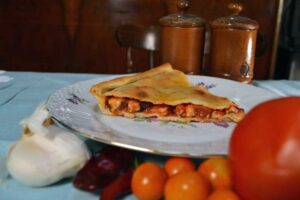 Local cuisine reflects Italy’s culinary traditions, but is particularly centred on seafood, caught fresh each day and prepared according to traditional recipes. Agriculture also plays an important role in local cooking; in fact, the combination of freshly caught fish and produce from the countryside gave rise to the city’s signature dish, the queen of the Gaeta table: tiella. Together with spagnoletta tomatoes and olives, it is one of the best-known products of the local culinary tradition.
Other traditional dishes include calamarelle alla votapiatto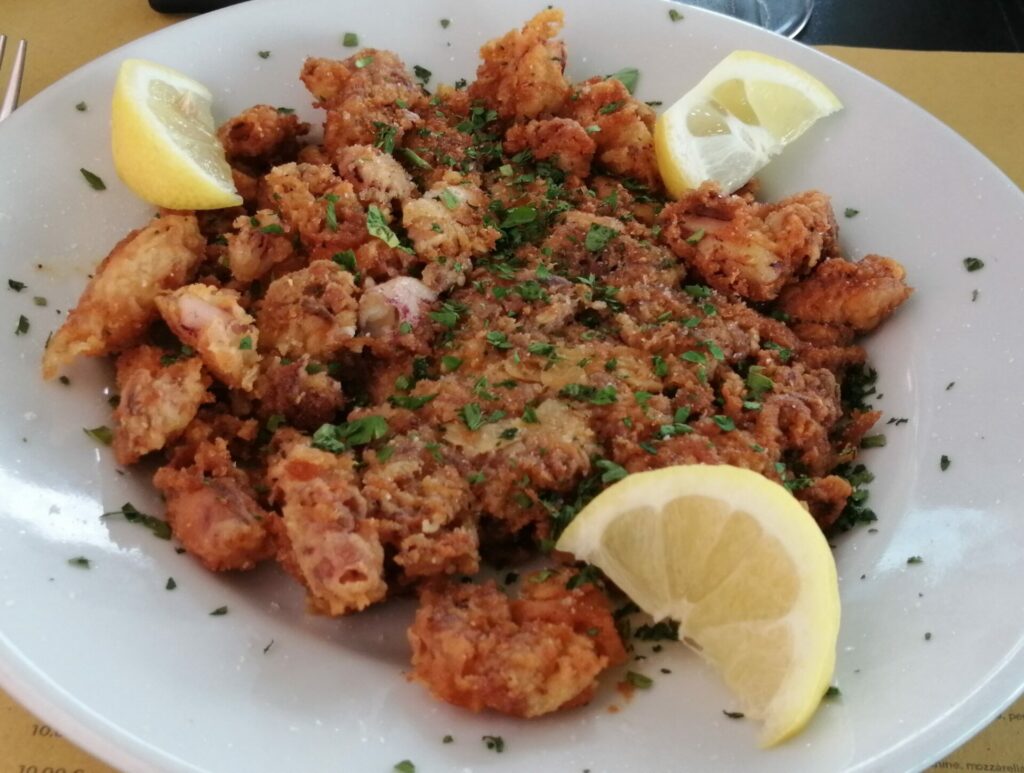 , liatina, suffulatura, and Gaeta-style spaghetti. And don’t forget the desserts, such as ciammelle elenesi and pallaciotta.
  During the Christmas season, sciuscelle, accompanied by a good local wine, are also a must.
Folklore
Gaeta is not only rich in history but also a city of deep faith and religious traditions, including those associated with St Francis of Assisi, to whom a church was dedicated after he arrived in the city in 1222, where contemporary accounts say he performed several miracles. Popular tradition, however, recognises Saints Erasmus and Marcian as the city’s patron saints. Erasmus, the patron saint of the sea, was martyred in Formia and buried in the cathedral of Gaeta around the 22nd century.
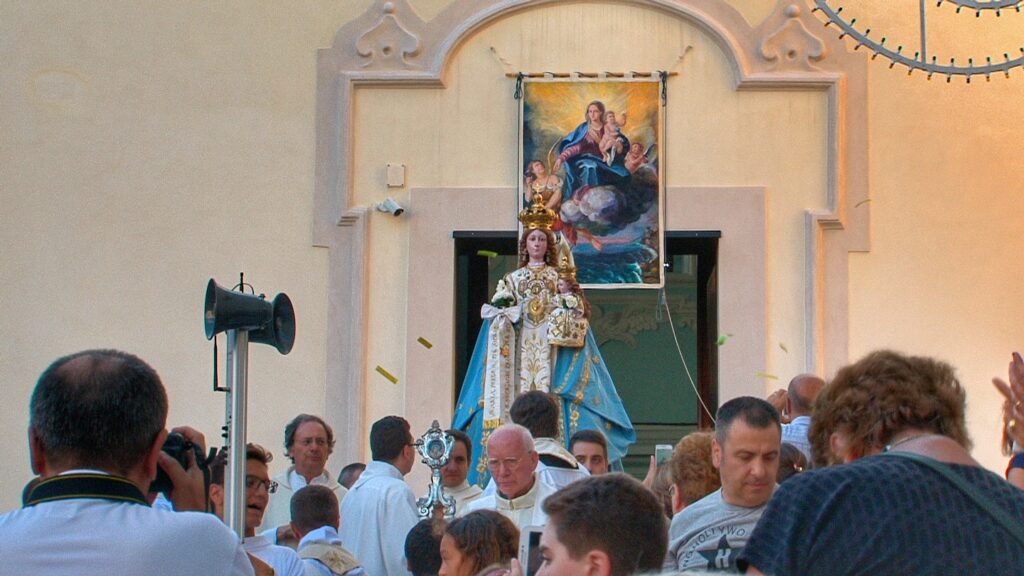
Every year, on the second Sunday in August, a beautiful late-18th-century statue depicting the Madonna di Porto Salvo, patron saint of fishermen and sailors, is carried from the Church of the Scalzi overland before being placed on a fishing boat (fishing harbour) and taken in procession to the centre of the Gulf of Gaeta . During the procession, the boat carrying the statue of the Madonna is followed by numerous other vessels, and the event ends with the laying of a wreath at sea in memory of all those who have lost their lives at sea. It is one of the most evocative ceremonies along the Lazio coast.
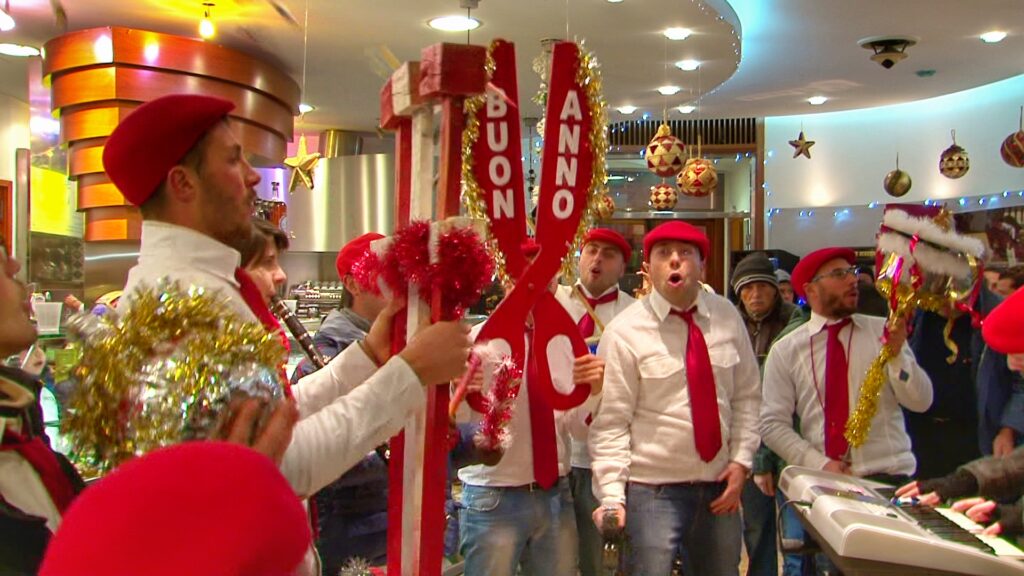
Gaeta is rich in traditions and in some folklore events that have no real equivalent in the neighbouring towns. The customs and celebrations surrounding Christmas and New Year’s Day also reflect the city’s long association with the Bourbon royal family. “Sciuscio” is the name given to the serenade that groups of mostly young musicians take to friends and acquaintances on the evening of New Year’s Eve. It consists of music played on homemade instruments, accompanied by singing and choruses and performed on New Year’s Eve for the head of the family or head of the household — known in the local dialect as patrò, from the Latin patronus — outside the entrance to their home or business, as a way of wishing them good luck for the year ahead. New Year’s Day, meanwhile, begins with the traditional New Year’s swim, and not even bad weather can stop it: dozens of people plunge into the water to wish one another a happy and prosperous new year.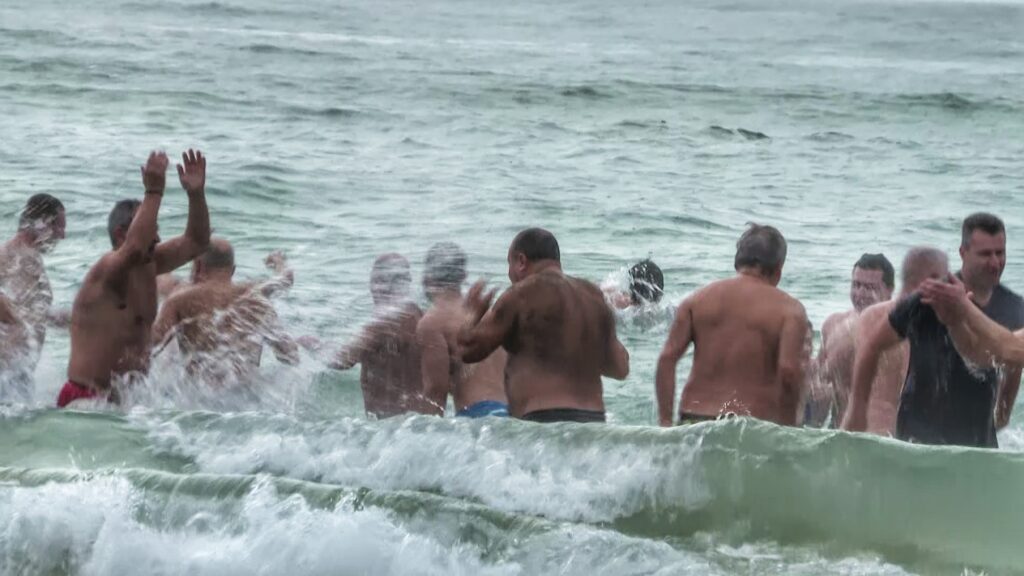
Throughout the rest of the year, there are plenty of events that attract visitors, including Favole di Luce and Le Grandi Vele, which on one occasion also welcomed the queen of all sailing ships, the Amerigo Vespucci.
What to do in the evening
There are plenty of places to go out both in the historic centre, known by locals as “Gaeta Vecchia”, and “outside the walls“, namely the “Elena” and “Serapo”, neighbourhoods. You’ll mainly find pubs, breweries, restaurants, pizzerias, wine bars and cocktail bars. Our advice is to take a long walk along Via Indipendenza and then continue along one of the two seafront promenades, Caboto or Serapo, stopping along the way for an aperitivo before heading towards the historic centre, where you can round off the evening in a lively atmosphere.
Where to stay
There are plenty of accommodation options in Gaeta, as it is a particularly popular tourist destination. You can choose from hotels, B&Bs and holiday homes, with prices depending on the services provided and on how close they are to the main beaches and the city’s main attractions.